
Russia delivers first LNG cargo via the Arctic Sea to China
- September 15, 2023
- Posted by: Quatro Strategies
- Categories: China, Europe, Oil & Gas, Sanctions & Regulation
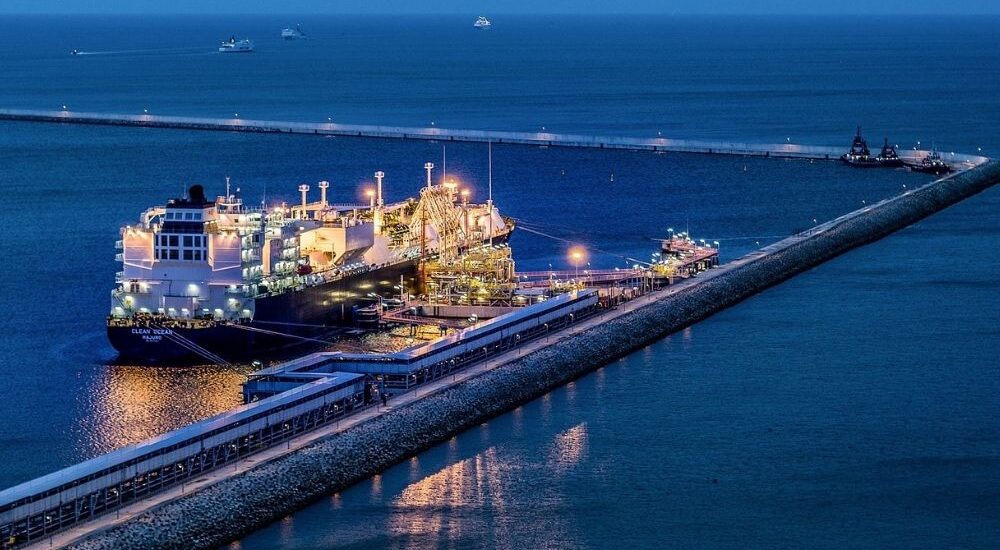
Russian energy giant Gazprom made a significant milestone by delivering its first liquefied natural gas (LNG) cargo via the Arctic Northern Sea Route to China. This development comes a month after the initial delivery. Russia has considered this route, stretching from Murmansk near Russia’s border with Norway to the Bering Strait near Alaska, as a viable alternative to the Suez Canal.
While the Arctic Northern Sea Route presents physical challenges, it offers the potential to reduce sea transport times between Europe and Asia. This comes at a time when Russia’s trade with Western countries is at post-Cold War lows due to geopolitical tensions following Moscow’s actions in Ukraine. The successful LNG delivery marks a significant step in enhancing Russia’s energy transportation capabilities and geopolitical positioning.
Russia has been actively developing liquefied natural gas (LNG) projects in the Arctic region. The Arctic is considered a strategic area for Russia’s energy sector due to its vast reserves of natural gas.
One of the major projects is the Yamal LNG plant, located in the Yamal Peninsula in the Russian Arctic. It began operations in December 2017 and has been a significant contributor to Russia’s LNG production. The project is operated by Novatek, a Russian gas company.
This is another major LNG project in the Russian Arctic, operated by Novatek. It is planned to be located on the Gydan Peninsula and aims to produce LNG from the prolific reserves of the Gydan Peninsula and the Yamal Peninsula.
The Northern Sea Route is a key element in transporting LNG from the Russian Arctic to international markets. It is a shipping route along the Russian Arctic coast that becomes navigable during the summer months due to melting sea ice. It significantly shortens shipping routes between Europe and Asia.
The Russian Arctic is believed to hold vast reserves of natural gas, and the development of these reserves is a strategic focus for the Russian government and energy companies. These reserves are crucial for meeting the growing global demand for LNG.
Interested in learning more?
Sign up for Top Insights Today

Top Insights Today delivers the latest insights straight to your inbox.
You will get daily industry insights on
Oil & Gas, Rare Earths & Commodities, Mining & Metals, EVs & Battery Technology, ESG & Renewable Energy, AI & Semiconductors, Aerospace & Defense, Sanctions & Regulation, Business & Politics.
Read more insights
ExxonMobil gears up for commercial operations at $10 billion China petrochemical hub
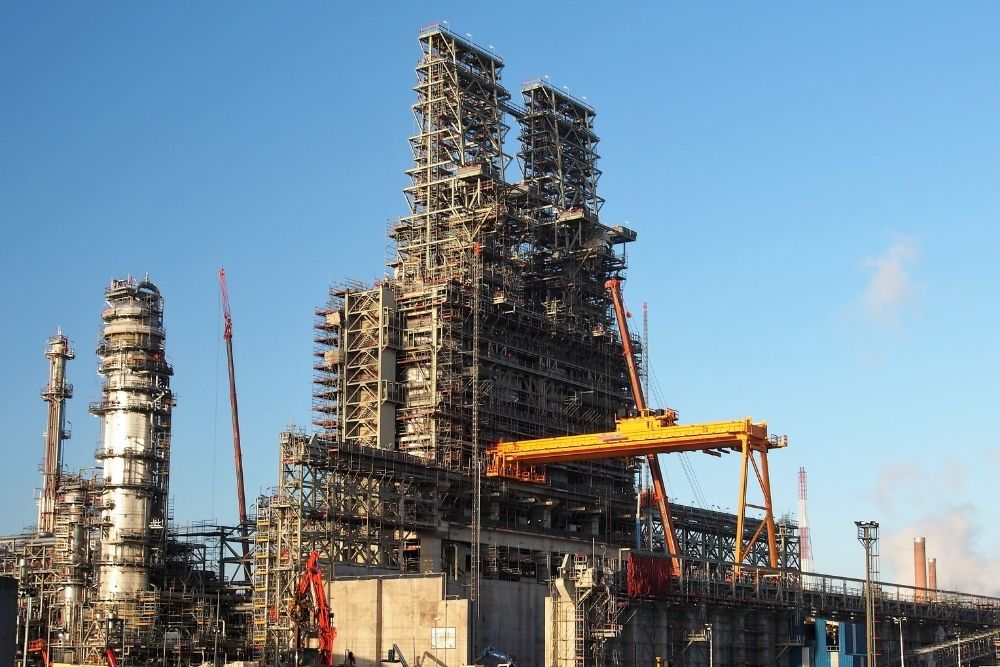
ExxonMobil has begun securing shipments of naphtha for its newly launched petrochemical complex in southern China, as the U.S. energy giant prepares for the official start-up of its $10 billion plant. The move is expected to boost regional demand for petrochemical feedstock and strengthen Asian naphtha refining margins, which are already benefiting from reduced Russian supply.
Located in the Dayawan Petrochemical Industrial Park in Huizhou, Guangdong province, the complex is one of the few wholly foreign-owned mega petrochemical facilities in China, designed to produce high-end petrochemical products.
Trump tightens Pentagon rules on Chinese critical minerals
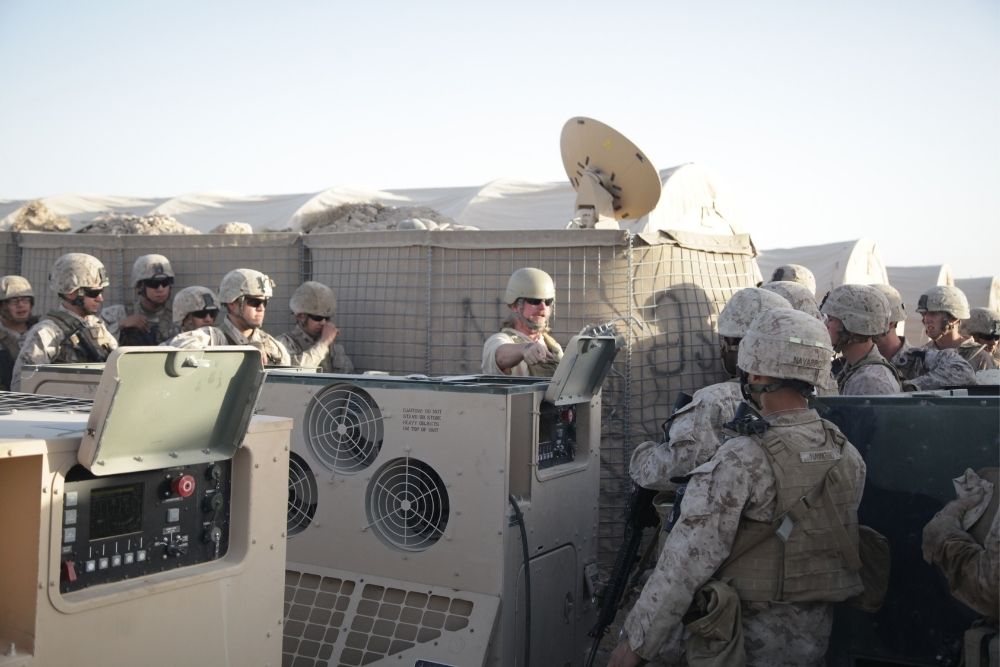
President Trump has signed an executive order making it substantially harder for the defense contractors to obtain the waivers permitting the Chinese-sourced critical minerals, requiring the companies to prove they searched for the alternatives, disclose the material origins, and submit the reduction plans rather than merely demonstrating that the Chinese supplier is the cheapest or easiest option, with the procurement consequences including the lost contract opportunities awaiting the non-compliant.
The measure, distilled in the White House senior counselor for trade and manufacturing Peter Navarro’s formulation that the era of “we tried nothing and we’re out of options” has ended, tightens the demand side of the American minerals decoupling precisely as the supply-side buildout, the MP Materials stake, the Army base processing facilities, and the Hermosa fast-tracking, races to provide the alternatives the waivers will now be denied for ignoring.

China looking for way out of slowing economy
Despite the lifting of COVID-19 restrictions in China, many consumers are choosing to save more of their income rather than increase spending, due to economic uncertainties and the perception that they need to build up a safety net for potential unexpected events. This hesitancy to spend reflects a long-standing economic model in China that has prioritized investment in property, infrastructure, and industry over empowering consumers to earn and spend more. While the need to rebalance the economy is recognized, transferring economic resources to households would require difficult decisions that might cause short-term economic challenges.