
Vietnam invites U.S. chipmakers for investment to boost semiconductor industry
- September 19, 2023
- Posted by: Quatro Strategies
- Categories: AI & Semiconductors, Asia Pacific, United States
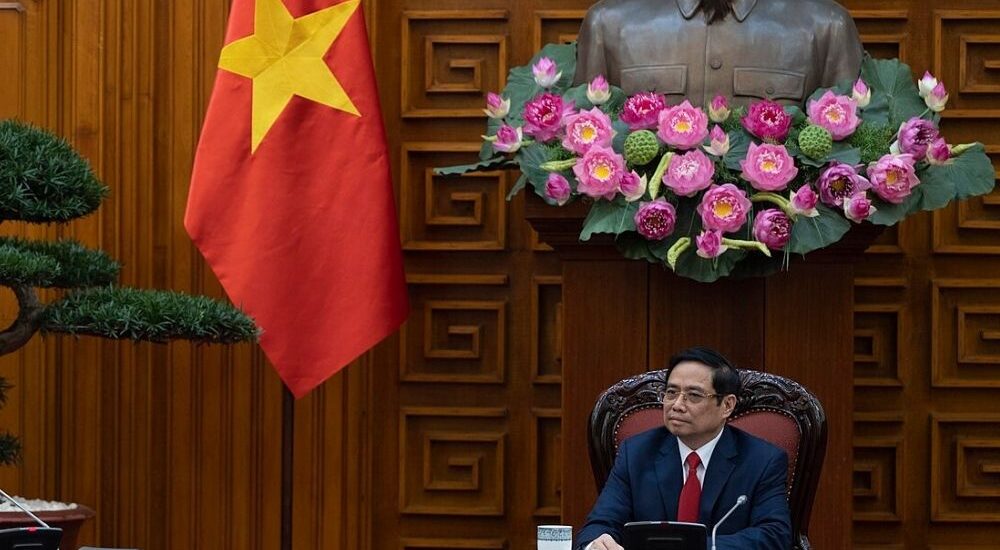
Vietnam’s Prime Minister Pham Minh Chinh’s visit to the headquarters of Nvidia and Synopsys carries significant implications for Vietnam’s ambition to bolster its semiconductor industry. Semiconductor manufacturing and technology are vital components of the global tech landscape, playing a critical role in various industries from consumer electronics to automotive and healthcare. By attracting investments and expertise from major players like Nvidia and Synopsys, Vietnam aims to advance its capabilities and become a significant player in this field.
Chinh’s invitation to U.S. tech firms to invest and conduct business in Vietnam underscores the country’s eagerness to create a conducive environment for foreign investments. This is a strategic move, positioning Vietnam as an attractive destination for tech companies looking to diversify their operations and supply chains. The recent visit by U.S. President Joe Biden and the discussions on improved bilateral relations have further strengthened this trajectory, with a focus on collaboration in emerging technologies such as artificial intelligence (AI), semiconductor development, and critical minerals.
Nvidia, a leading supplier of servers to Vietnam, expressed interest in collaborating with Vietnam in semiconductors, information technology, and AI. Such collaborations can lead to the transfer of technological expertise and know-how, boosting Vietnam’s capabilities in semiconductor manufacturing. Synopsys, with its plans to establish chip design centers in Vietnam, signifies a long-term commitment to leveraging Vietnam’s potential as a hub for chip design and development.
Vietnam already hosts major semiconductor manufacturing facilities, notably Intel’s largest assembly, packaging, and testing facility in the country. The presence of global tech giants and their continued investments in Vietnam underscores the country’s growing importance in the global tech supply chain. Rival company Amkor is also establishing a significant semiconductor assembly and testing facility, enhancing Vietnam’s manufacturing capabilities.
As Prime Minister Chinh embarks on this journey to strengthen ties with major tech players, it’s evident that Vietnam is actively positioning itself to be a significant player in the global semiconductor arena. The collaboration and investments from Nvidia, Synopsys, Intel, and others will not only boost Vietnam’s economy but also contribute to the advancement of technology and innovation on a global scale.
By QUATRO Strategies International Inc.
QUATRO Strategies International Inc. is the leading business insights and corporate strategy company based in Toronto, Ontario. Through our unique services, we counsel our clients on their key strategic issues, leveraging our deep industry expertise and using analytical rigor to help them make informed decisions to establish a competitive edge in the marketplace.
Interested in learning more?
Sign up for Top Insights Today

Top Insights Today delivers the latest insights straight to your inbox.
You will get daily industry insights on
Oil & Gas, Rare Earths & Commodities, Mining & Metals, EVs & Battery Technology, ESG & Renewable Energy, AI & Semiconductors, Aerospace & Defense, Sanctions & Regulation, Business & Politics.
Read more insights

China’s deflation deepens as overcapacity meets weak demand
China’s descent into what officials euphemistically term “involution” represents the most significant macroeconomic crisis facing a major economy in the post-war era outside Japan’s lost decades. The systematic price erosion documented across consumer goods, industrial inputs, and labor markets signals not a temporary adjustment but a fundamental breakdown in the relationship between production capacity and consumption demand that threatens to entrench itself into a generational stagnation.
Deflation occupies a peculiar position in economic history precisely because of its infrequency among developed economies since the Second World War. The Great Depression of the nineteen-thirties demonstrated deflation’s devastating capacity to amplify economic distress, creating self-reinforcing spirals where falling prices incentivize delayed purchases, reducing demand further and forcing additional price cuts.
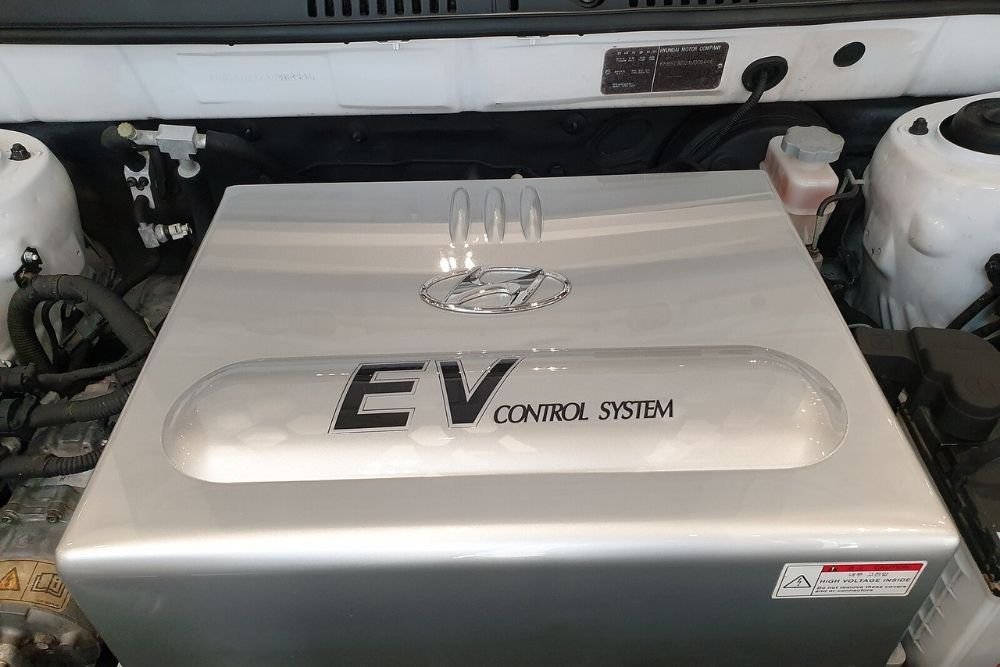
Hyundai to build $5B steel plant in Louisiana, add EV factory in Georgia
Hyundai is set to make a major splash in U.S. industrial and manufacturing policy with a $20 billion onshoring investment, including the construction of a $5 billion next-generation steel plant in Louisiana. The move is part of the South Korean conglomerate’s push to localize production and sidestep looming U.S. tariffs under President Donald Trump’s trade agenda.
The investment will be unveiled Monday at the White House during a joint announcement by President Trump, Hyundai Chairman Euisun Chung, and Louisiana Governor Jeff Landry. The new steel facility, which will employ approximately 1,500 workers, is expected to supply advanced steel for Hyundai’s electric vehicle (EV) production at its two existing U.S. auto plants in Alabama and Georgia.
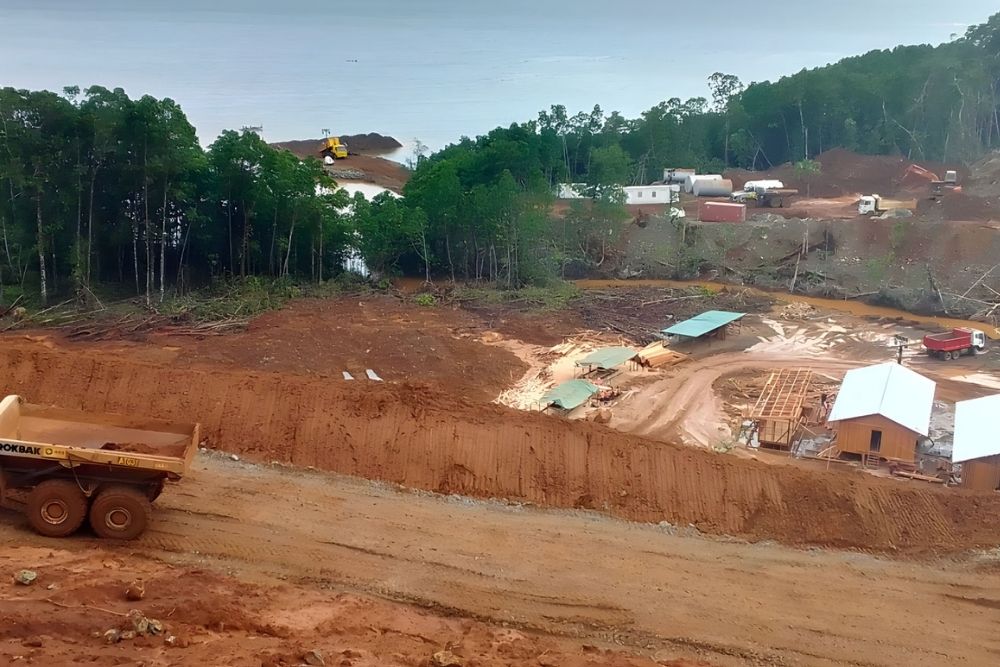
Australia’s Pacific Nickel Mines starts operations at Solomon Islands nickel project
Pacific Nickel Mines, an Australian mining company, has embarked on nickel ore mining operations at its Kolosori project situated on Isabel Island within the Solomon Islands. The mining operation focuses on saprolite nickel ore and adopts a shallow open-pit approach.