
ArcelorMittal considers bid to buy US Steel Corp
- August 19, 2023
- Posted by: Quatro Strategies
- Categories: Europe, Mining & Metals, United States
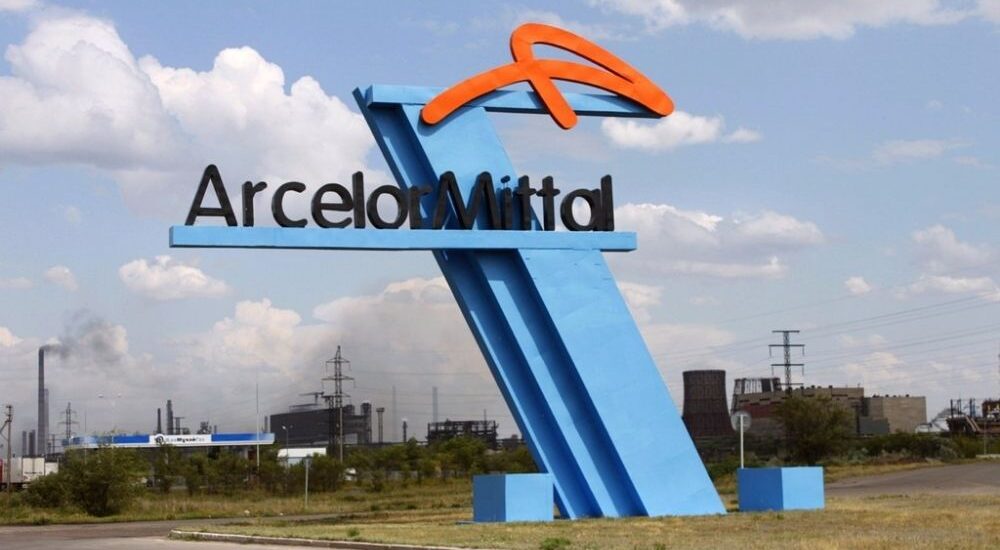
ArcelorMittal SA, the world’s second-largest steelmaker, is reportedly considering a potential offer for US Steel Corp, as sources familiar with the matter revealed. This potential move could mark a reversal of ArcelorMittal’s strategic focus after it sold most of its US operations to Cleveland-Cliffs Inc in 2020. The company had been concentrating on expanding in growing markets like India and Brazil. However, it seems ArcelorMittal is discussing a possible offer for US Steel with its investment bankers, though there’s no certainty the bid will proceed.
If ArcelorMittal does decide to make an offer, it could escalate an ongoing bidding war for US Steel. The company already faces competing offers from Cleveland-Cliffs and Esmark Inc, both valuing US Steel at over $7 billion. This potential development underscores the competitive nature of the steel industry and the desire of major players to acquire assets that align with their strategic goals.
The sources providing this information requested anonymity due to the confidential nature of the discussions. Neither ArcelorMittal nor US Steel have responded to requests for comments on the matter.
US Steel workers belong to the United Steel Workers (USW) union, which has endorsed the deal with Cleveland-Cliffs. This endorsement is significant as the union’s collective bargaining agreement gives it a role in the negotiations and the right to counter with its own demands. USW International President Tom Conway stated that ArcelorMittal would be “foolish” to proceed with a bid, emphasizing the union’s support for the Cleveland-Cliffs offer.
This potential development has also impacted the stock market, with US Steel shares initially rising on the news of ArcelorMittal’s bid deliberations, only to pare some of those gains due to the union’s opposition. ArcelorMittal’s considerations come after US Steel announced its exploration of interest from potential acquirers, driven by several quarters of declining revenue and profits amid high raw material and energy costs.
It’s worth noting that this possible move by ArcelorMittal contrasts with its recent focus on reducing its carbon footprint and targeting growth in India and Brazil. As analysts point out, such a bid for US Steel might not align with the company’s recent strategic direction, and cost synergies from the deal might be limited. The situation underscores the complexity of strategic decision-making in the steel industry, where economic, environmental, and competitive factors all play a significant role.
Interested in learning more?
Sign up for Top Insights Today

Top Insights Today delivers the latest insights straight to your inbox.
You will get daily industry insights on
Oil & Gas, Rare Earths & Commodities, Mining & Metals, EVs & Battery Technology, ESG & Renewable Energy, AI & Semiconductors, Aerospace & Defense, Sanctions & Regulation, Business & Politics.
Read more insights
Lead swells in Singapore warehouses as electrification erodes demand
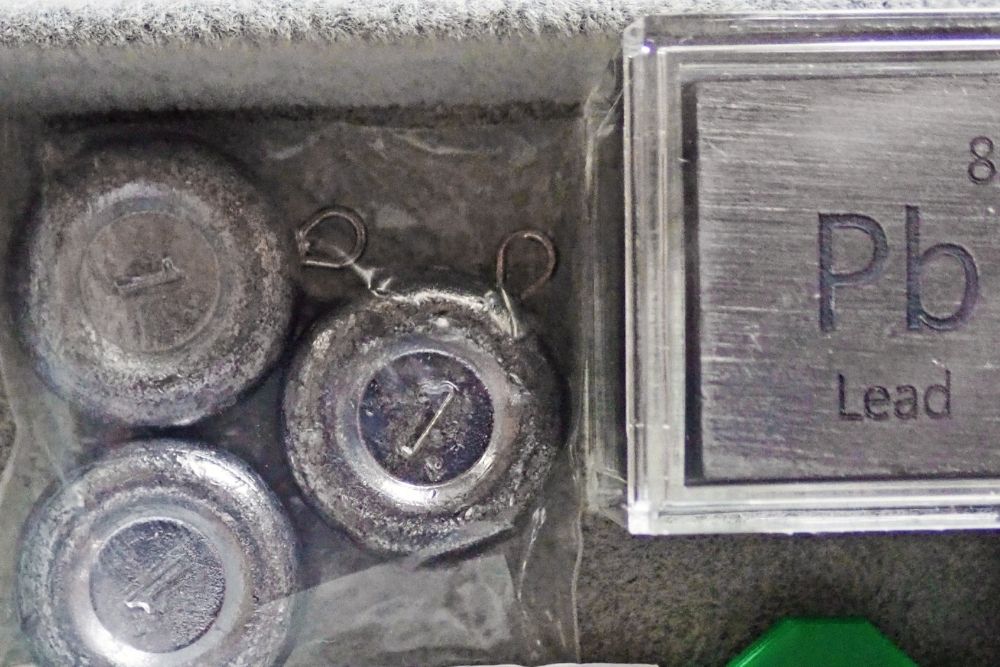
Lead, the oldest and most established battery metal in industrial history, finds itself in an increasingly paradoxical position: still ubiquitous in the global vehicle fleet yet profoundly unwanted by an industry racing toward electrification and lighter, cleaner chemistries.
Inventories of the heavy metal are swelling to levels not seen in over a decade within the London Metal Exchange warehouse system, investment funds are building record bearish positions against it, and its primary demand driver, the internal combustion engine, is entering a trajectory of long-term structural decline.
Oilfield services lose out as Iran conflict freezes Gulf activity
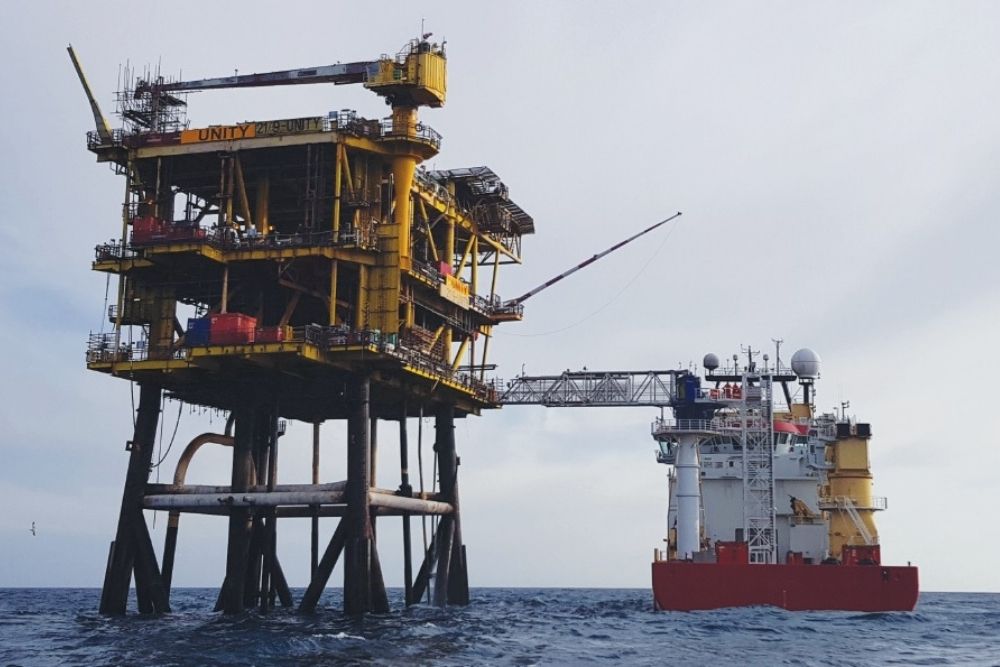
The Iran war is delivering a harsh reminder that higher oil prices do not automatically translate into better conditions for every part of the energy industry. Oilfield services companies, which provide the rigs, equipment, crews, and technical support that keep drilling and production moving, are finding that this shock is working against them in the short term.
Brent has surged more than 50% since the conflict began, but in the Gulf the immediate effect has been falling activity rather than a rush into new projects. Security risks, infrastructure damage, disrupted logistics, and higher insurance costs are cutting utilization and delaying work in one of the world’s most important energy-producing regions.
Chinese battery capital finds a European route through Morocco
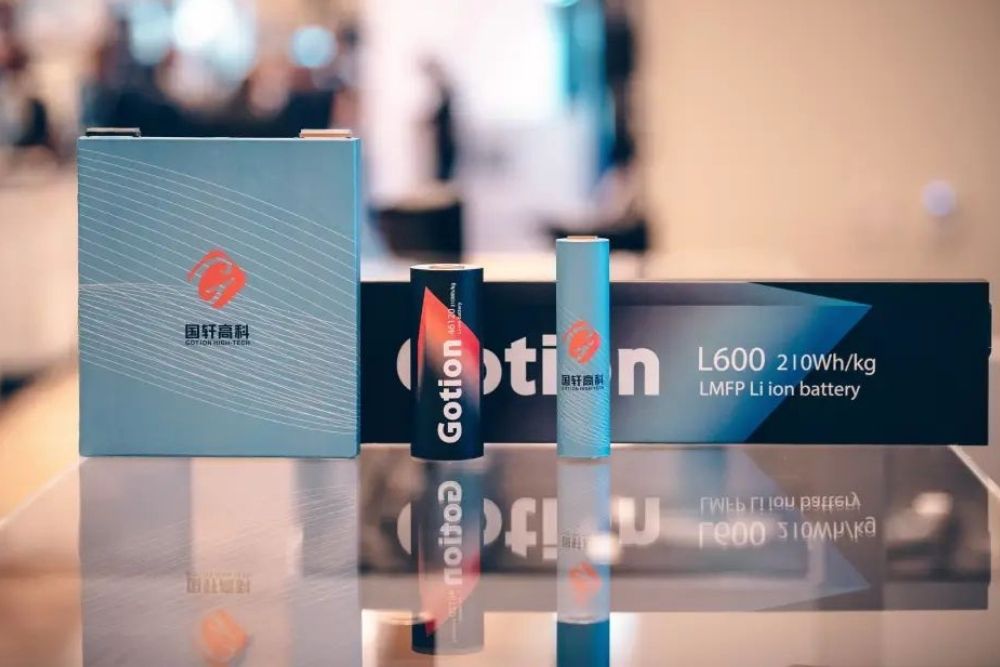
The African Development Bank does not usually find itself financing the industrial strategy of the European Union, still less doing so alongside a Shenzhen-listed battery manufacturer. Yet that is a fair description of what happened on Friday, when the bank’s board approved a loan for a project whose commercial logic runs almost entirely through Brussels rather than through Africa.
The announcement is being read across the continent as an industrial milestone. It is also, viewed from a different angle, one of the clearest illustrations yet of how Chinese manufacturing capital is using third countries to enter markets that have tried to shut it out.