
Canada’s Enbridge to buy three utilities from Dominion for $14 billion
- September 6, 2023
- Posted by: Quatro Strategies
- Categories: Americas, Oil & Gas, United States
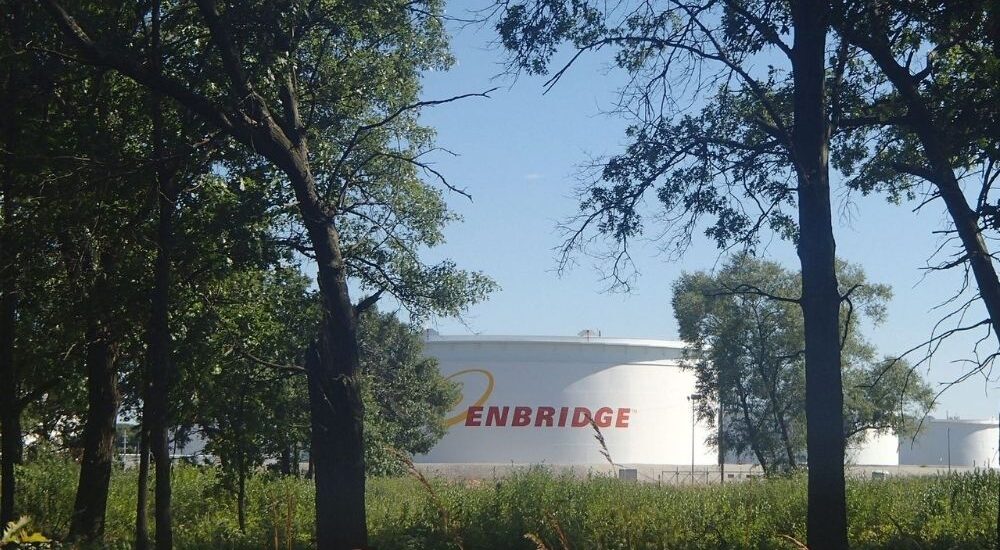
Enbridge, a Canadian pipeline operator, has announced plans to purchase three utilities from Dominion Energy for $14 billion, including debt. This acquisition will create North America’s largest natural gas provider and will also double Enbridge’s gas distribution business. The utilities involved in the deal are East Ohio Gas, Questar Gas, and Public Service Co of North Carolina.
The transaction will consist of $9.4 billion in cash and $4.6 billion of assumed debt. This move is seen as a strategic bet on the future of natural gas in a regulated market, even as the energy industry and consumers are gradually transitioning towards greener alternatives and reducing reliance on fossil fuels.
The acquisition is expected to close in 2024, subject to regulatory approvals from bodies such as the Federal Trade Commission and the Committee on Foreign Investment in the United States. Upon completion, Enbridge will supply over 9 billion cubic feet per day of gas to approximately 7 million customers across multiple states, making it the largest gas utility business in North America by volume.
Enbridge views these newly acquired assets as crucial infrastructure for providing safe, reliable, and affordable energy. However, this announcement has had a negative impact on the company’s stock price, with Enbridge’s shares falling by 6.5% in extended trading following the news.
Moody’s has also downgraded the outlook for Enbridge and several of its subsidiaries to negative from stable, citing concerns about the added pressure on the company’s financial profile following the transaction.
Interested in learning more?
Sign up for Top Insights Today

Top Insights Today delivers the latest insights straight to your inbox.
You will get daily industry insights on
Oil & Gas, Rare Earths & Commodities, Mining & Metals, EVs & Battery Technology, ESG & Renewable Energy, AI & Semiconductors, Aerospace & Defense, Sanctions & Regulation, Business & Politics.
Read more insights
US kicks off SPR refill with monthly purchases through March 2025
The U.S. is gradually replenishing its Strategic Petroleum Reserve (SPR) after the largest-ever sale from the stockpile in 2022. The government plans to purchase 2 million barrels of domestically produced sour crude each month from January to March 2025. This oil will be stored at the SPR’s Bryan Mound site in Texas, which…
Air Products planning to build Europe’s largest blue hydrogen plant in the Netherlands
Air Products and Chemicals has announced its intentions to construct, own, and operate a carbon capture and CO2 treatment facility at its existing hydrogen production site in Rotterdam, the Netherlands. This project is expected to become Europe’s largest blue hydrogen plant…
Canada sees influx of Chinese funds in mining sector despite regulatory scrutiny
Despite Canada’s tightened foreign investment regulations in the critical minerals sector, Chinese investment in Toronto-listed mining companies has persisted. This influx of Chinese funds has sparked optimism among some junior miners, who see it as a potential source of funding…