
China fines U.S. due diligence firm Mintz Group for $1.5 million
- August 22, 2023
- Posted by: Quatro Strategies
- Categories: Business & Politics, China, Sanctions & Regulation, United States
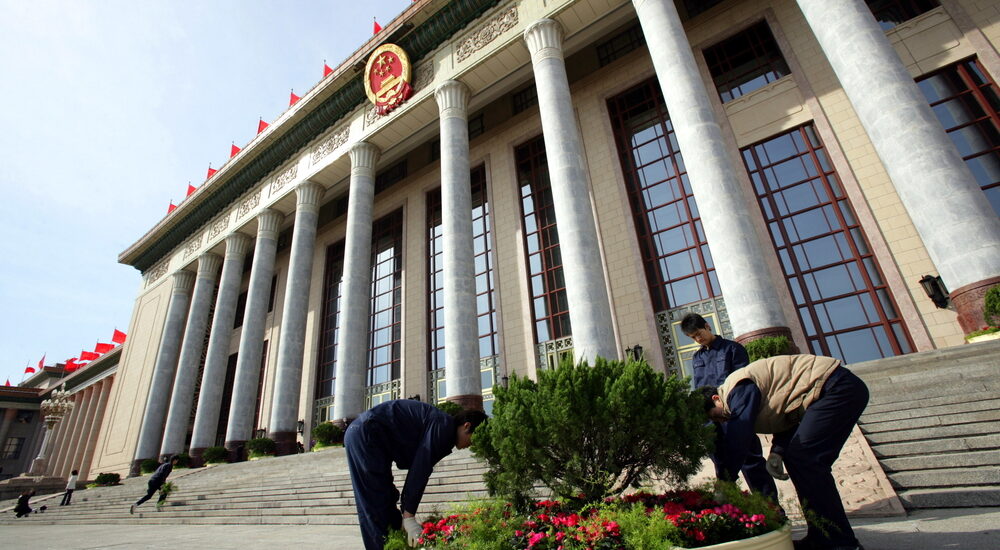
China has fined U.S. firm Mintz Group approximately $1.5 million for conducting “unapproved statistical work,” according to a notice from the Beijing Municipal Bureau of Statistics. The penalty was imposed after Chinese authorities raided Mintz Group’s Beijing office, raising concerns about China’s openness to foreign investment. The bureau stated that Mintz Group had carried out “foreign-related statistical investigations” without obtaining the necessary approvals. The company was found to have conducted 37 such investigations between March 2019 and July 2022.
As a result of the violation, the bureau confiscated around 5.34 million yuan ($1.5 million) of Mintz Group’s “illegal proceeds” and imposed an equivalent administrative penalty. Mintz Group has the option to appeal the ruling within 60 days and file an administrative suit within six months.
Mintz Group provides various services, including background checks on potential business partners and new hires, as well as fact gathering for legal cases and internal investigations. The firm maintains that it is licensed to conduct legitimate business activities in China and has always operated lawfully.
The raid on Mintz Group’s office in March was part of a broader crackdown on consultancy and due diligence firms in China. This crackdown also affected other companies, including Bain & Company’s Shanghai office and Capvision Partners. The intensified regulatory actions have raised concerns among foreign business groups about the impact on investor confidence in China.
China’s regulatory moves align with President Xi Jinping’s emphasis on placing national security at the forefront of the country’s priorities. Beijing recently updated its anti-espionage law, expanding the definition of spying and prohibiting the transfer of information related to national security. Additionally, China has introduced various legal amendments aimed at restricting foreign access to its data and enhancing data security measures.
Interested in learning more?
Sign up for Top Insights Today

Top Insights Today delivers the latest insights straight to your inbox.
You will get daily industry insights on
Oil & Gas, Rare Earths & Commodities, Mining & Metals, EVs & Battery Technology, ESG & Renewable Energy, AI & Semiconductors, Aerospace & Defense, Sanctions & Regulation, Business & Politics.
Read more insights
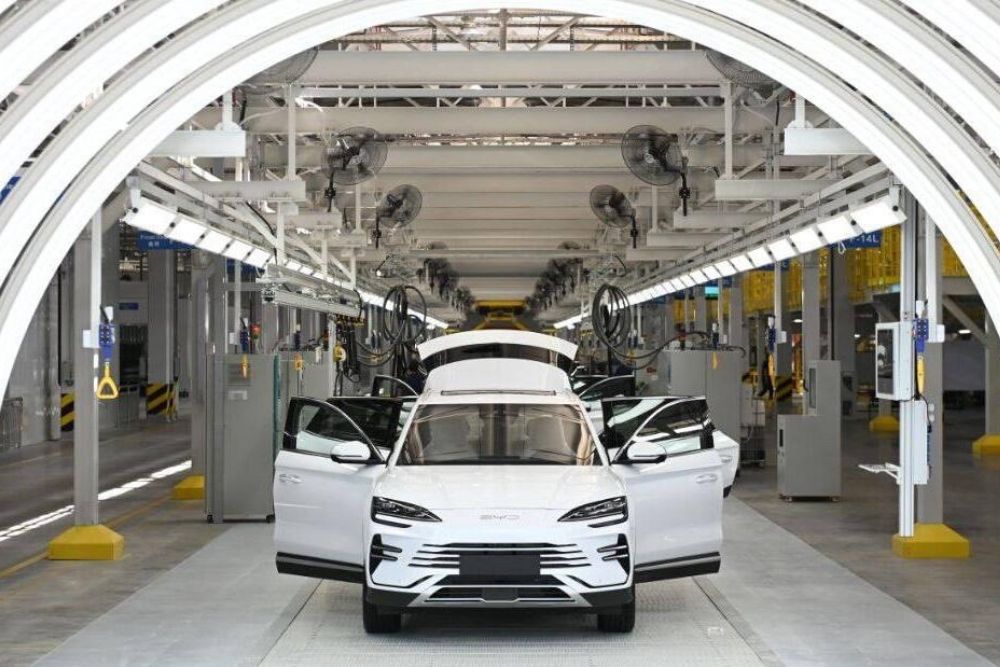
Beijing tells carmakers to stop exporting the price war
There is an unusual admission buried in the twenty articles Chinese regulators published on Tuesday. The Guidelines for Overseas Competition Conduct and Compliance Development in the Automotive Industry, issued jointly by the Commerce Ministry, the Ministry of Industry and Information Technology and the State Administration for Market Regulation, instruct Chinese automakers to base overseas pricing on actual costs and market conditions, to avoid using price to gain unfair competitive advantage, and to refrain from frequent or steep price changes.
Beijing is telling its own exporters not to compete the way they have been competing. The domestic context explains why. Chinese automotive profits fell nearly 20 percent in the first half despite record overseas sales, with the industry recording a 3.8 percent sales margin against 6.5 percent across manufacturing generally.
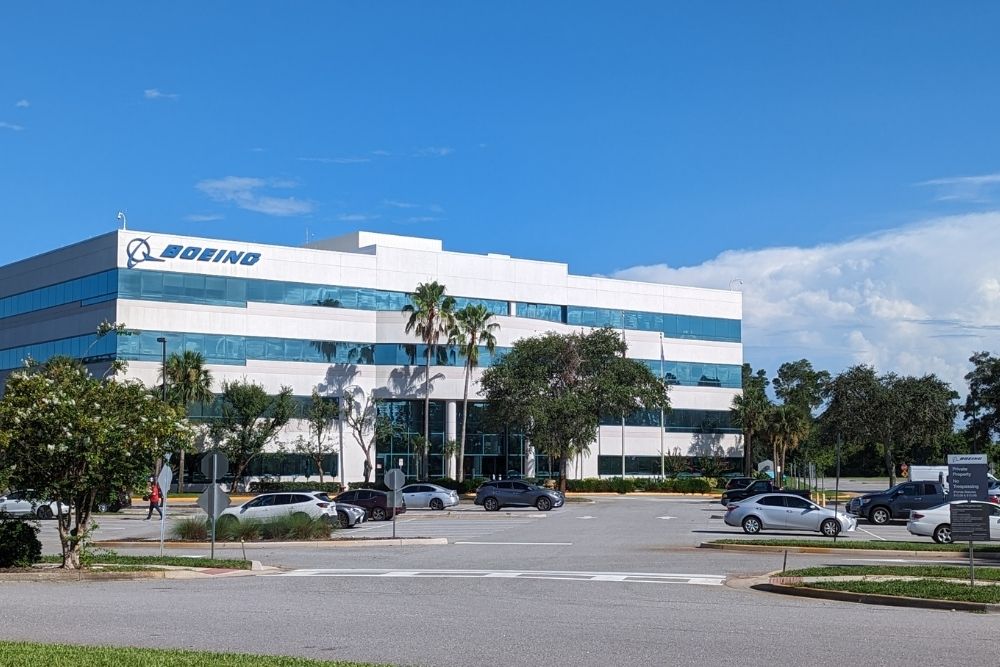
Boeing, U.S. partnering to develop SAF use in APEC member countries
Boeing has announced its collaboration with the U.S. government in a project aimed at tackling challenges associated with the development and scaling of sustainable aviation fuel (SAF) in Asia Pacific Economic Cooperation (APEC) member countries. SAF, produced from waste…
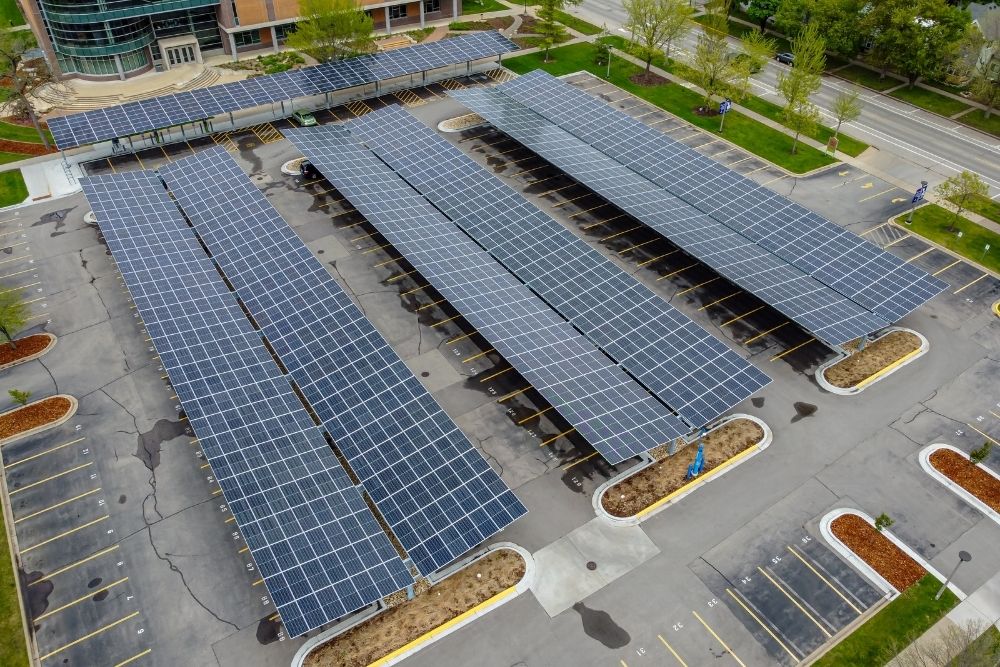
US solar developers race against time as Southeast Asia tariff exemption ends
A two-year U.S. tariff holiday on solar panels from Southeast Asia expired on Thursday, initiating a countdown for American project developers to utilize the substantial inventory they accumulated duty-free during this period by the end of the year. This scenario may trigger a surge in U.S. solar installations, potentially frustrating…