
China’s CMOC set to boost copper production in DR Congo mine
- September 8, 2023
- Posted by: Quatro Strategies
- Categories: Africa, China, Mining & Metals, Rare Earths & Commodities
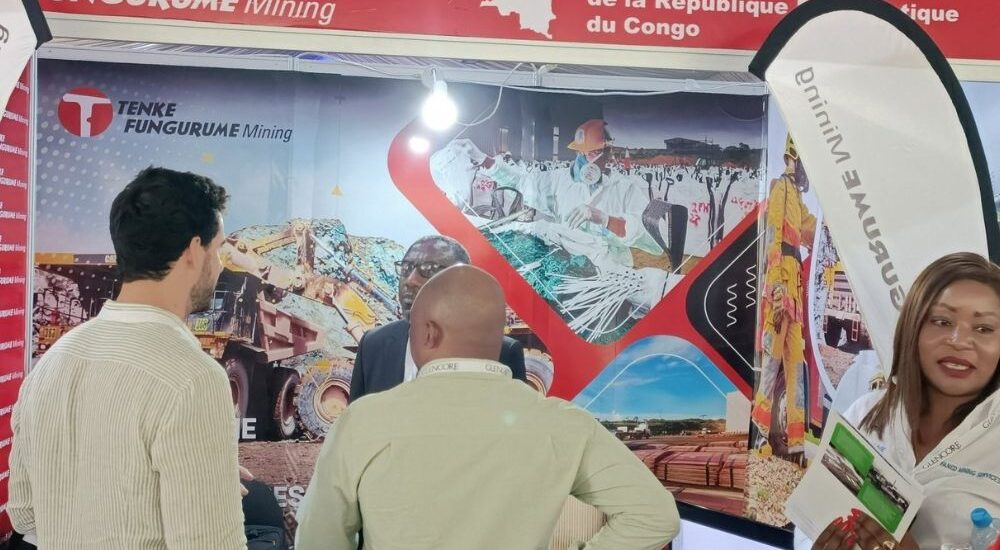
China Molybdenum Co., Ltd. (CMOC), a Chinese mining company, is poised to significantly boost its copper production in the Democratic Republic of Congo (DRC) to an impressive 600,000 metric tons next year. This substantial increase in output comes after CMOC recently resolved a dispute with the DRC’s state-owned miner, Gecamines, which led to a temporary ban on copper and cobalt exports earlier this year.
To achieve this notable expansion, CMOC plans to enhance its copper production by adding more production lines at the Tenke Fungurume Mining (TFM) facility. As a result of this initiative, copper output at TFM is projected to reach 450,000 tons in the upcoming year. Furthermore, CMOC aims to generate an additional 150,000 tons of copper at the KFM mine, previously known as Kisanfu, which began production this year.
The Chinese mining giant has not provided an output forecast for cobalt in the upcoming year. However, if successful in its endeavors, CMOC will become one of the world’s top ten copper producers, with ambitions to surpass Glencore and claim the title of the world’s largest cobalt producer.
The DRC is globally recognized as the leading supplier of cobalt and ranks third in copper production, following only Peru and Chile. CMOC has expressed its commitment to continuing the exploration of the enormous resource potential at TFM and KFM as long as the power supply shortage in the DRC is alleviated.
CMOC had previously suspended copper and cobalt exports from the DRC due to a dispute with Congolese authorities. However, the mining company resumed shipments in May 2023 and anticipates completing the de-stocking process by the end of the month, with the transportation of around 240,000 tons of copper currently in stock.
Interested in learning more?
Sign up for Top Insights Today

Top Insights Today delivers the latest insights straight to your inbox.
You will get daily industry insights on
Oil & Gas, Rare Earths & Commodities, Mining & Metals, EVs & Battery Technology, ESG & Renewable Energy, AI & Semiconductors, Aerospace & Defense, Sanctions & Regulation, Business & Politics.
Read more insights

EU mulls forcing Chinese firms to stock EU mineral reserves
Brussels is quietly sketching out a creative trade lever for a world where minerals are as strategic as missiles. One idea under serious discussion would force certain Chinese exporters to deliver critical raw materials into EU stockpiles as the price of access to the bloc, a kind of “in-kind” tariff that swaps cash duties for physical inputs Europe lacks. It sits alongside other potential countermeasures, including tightly targeted EU export curbs on goods and services where China is structurally dependent.
Nothing is settled and politics are delicate: any move needs Commission consensus and backing from key capitals, with Berlin and others wary of a tit-for-tat spiral. Beijing’s recent throttling of rare earth magnets, and the whiplash it has caused across automotive, defense and electronics, has given the conversation urgency.
Indonesia taking new steps to boost natural gas output
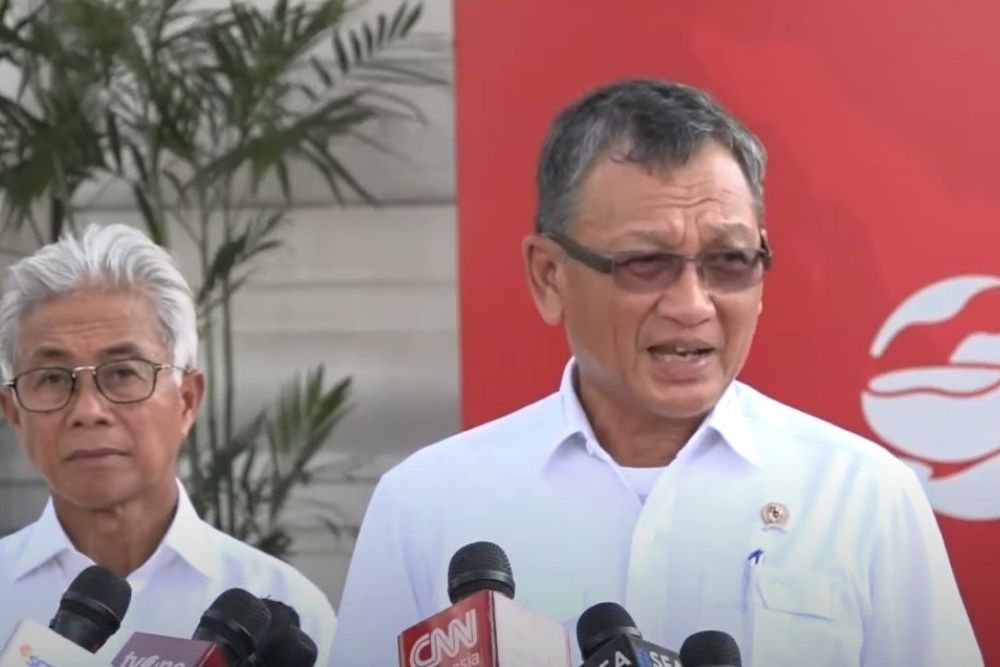
Indonesia, a nation rich in gas reserves, is taking strategic steps to boost output in its energy sector. The government is making significant changes to its oil and gas terms to attract investments, a critical move at a time when global investors are increasingly shifting away from fossil fuels.

Tokyo, Washington plot alliance grade rare earths inside Japan’s EEZ
Tokyo and Washington are turning a cartographic speck in the western Pacific into a strategic test bed for supply chain resilience. Prime Minister Sanae Takaichi says the two allies will jointly study whether Japan can lift rare earth-rich mud from around Minamitori Island, an isolated atoll 1,900 kilometers southeast of Tokyo and well inside Japan’s exclusive economic zone, and do so at abyssal depths that push current technology.
The plan is staged: a feasibility campaign in January to verify whether mud can be raised reliably from roughly 6,000 meters, followed by a larger trial that, if the early engineering holds, would target pre-commercial operations later in the decade. The political scaffolding is already in place.