
Denmark’s Orsted ventures into Irish solar project
- September 19, 2023
- Posted by: Quatro Strategies
- Categories: ESG & Renewable Energy, Europe
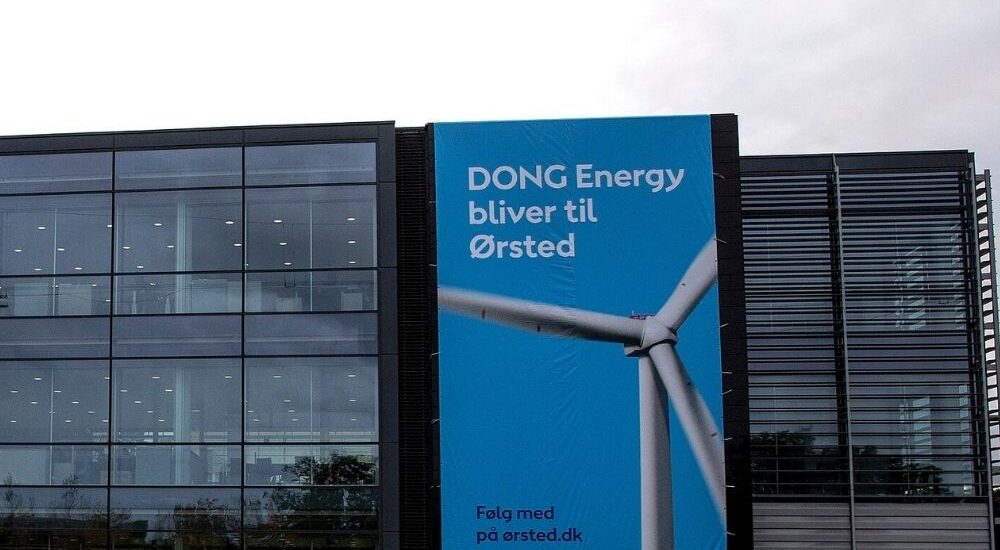
Denmark’s Orsted, a global leader in renewable energy, has unveiled a significant partnership with Terra Solar, a renewable energy developer, aimed at developing a 400-megawatt (MW) portfolio of solar energy projects in Ireland. This collaboration is a proactive response to Ireland’s persistent energy challenges.
Orsted highlights that Ireland has experienced amber alerts on warm summer days with low wind speeds, resulting in high electricity costs due to an overreliance on fossil fuels. Additionally, Ireland’s electricity sector exhibits one of the highest carbon intensities in Europe. The new solar projects are strategically planned to help address these challenges, with the potential to power more than 90,000 Irish homes, contributing to a sustainable and cleaner energy landscape.
The solar energy portfolio is scheduled for completion before 2030, aligning with Ireland’s broader ambitions for renewable energy development. By investing in solar energy projects, Orsted seeks to significantly contribute to Ireland’s renewable energy capacity, reduce its carbon footprint, and foster sustainability.
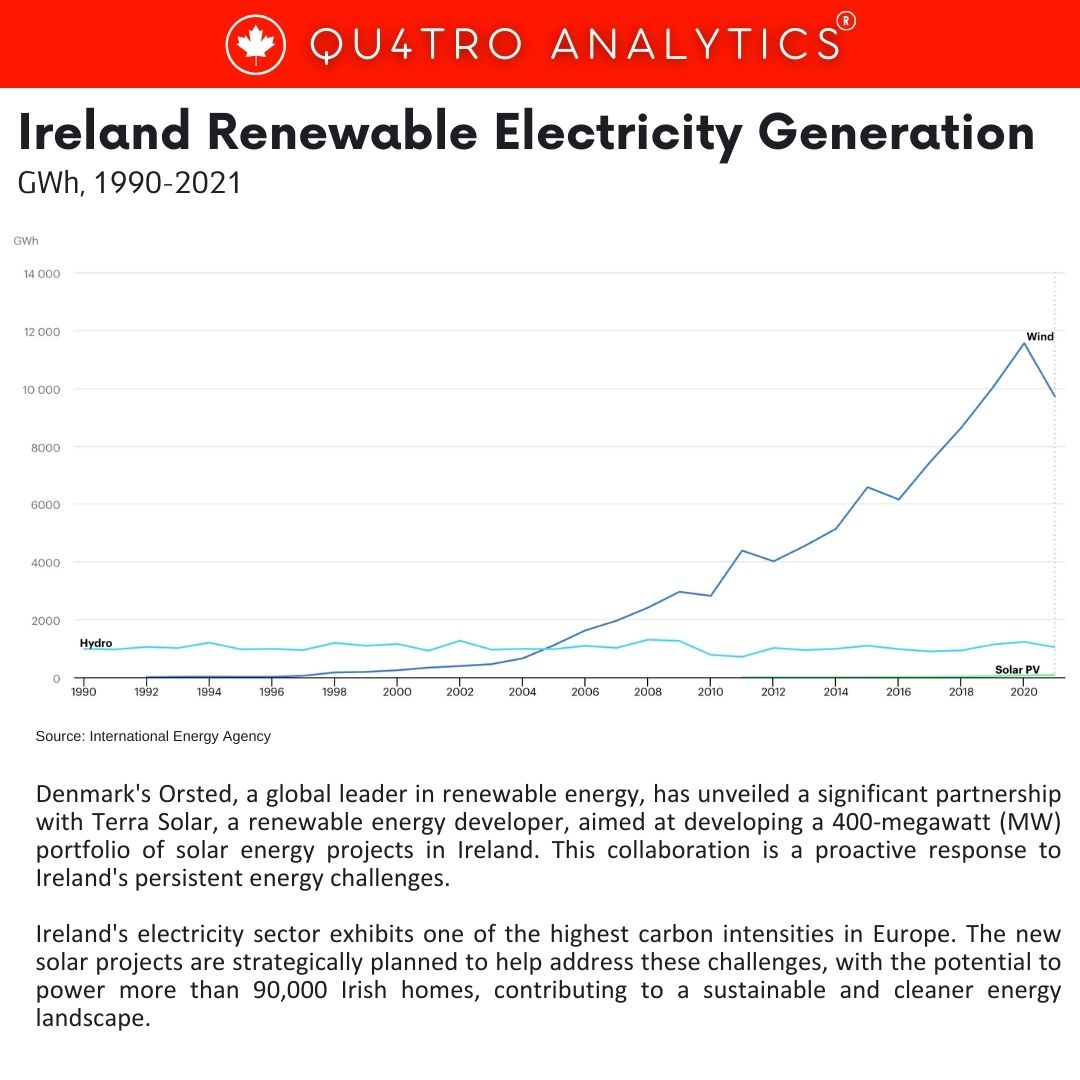 This move underscores Orsted’s commitment to expanding its solar pipeline in Ireland. In fact, when factoring in the solar projects announced in this partnership, Orsted’s total solar pipeline in Ireland now surpasses an impressive 600 MW. This initiative is indicative of the company’s dedication to bolstering renewable energy infrastructure and promoting green energy solutions in the region.
Notably, this venture in Ireland follows Orsted’s recent foray into the British solar power sector, marking its first investment in a British solar power project. This particular project is expected to generate sufficient electricity to power up to 200,000 homes.
These strategic investments in solar energy ventures across the United Kingdom and Ireland further demonstrate Orsted’s vision of a sustainable future, with a focus on harnessing the power of the sun to meet energy needs while reducing the environmental impact associated with conventional energy sources.
By QUATRO Strategies International Inc.
QUATRO Strategies International Inc. is the leading business insights and corporate strategy company based in Toronto, Ontario. Through our unique services, we counsel our clients on their key strategic issues, leveraging our deep industry expertise and using analytical rigor to help them make informed decisions to establish a competitive edge in the marketplace.
Interested in learning more?
Sign up for Top Insights Today

Top Insights Today delivers the latest insights straight to your inbox.
You will get daily industry insights on
Oil & Gas, Rare Earths & Commodities, Mining & Metals, EVs & Battery Technology, ESG & Renewable Energy, AI & Semiconductors, Aerospace & Defense, Sanctions & Regulation, Business & Politics.
Read more insights
Brussels unveils steel strategy to protect industry from trade shocks
The European Commission announced a new action plan on Wednesday aimed at revitalizing the EU’s struggling steel sector and shielding it from the impact of U.S. tariffs on steel and aluminum imports. The Steel and Metals Action Plan, a key component of the EU’s Clean Industrial Deal, is designed to make European industries more competitive with Chinese and U.S. rivals. European steelmakers, who have long raised concerns about cheap Chinese imports, are also wary of an influx of surplus steel being redirected to the region due to U.S. trade restrictions.
Industry reactions to the plan were swift and largely positive, with many emphasizing the need for urgent implementation. ArcelorMittal CEO Aditya Mittal welcomed the plan, highlighting the Commission’s recognition of critical structural issues such as trade defense, loopholes in the Carbon Border Adjustment Mechanism (CBAM), and the need for regulations to stimulate demand for low-carbon steel. He also stressed that high energy costs remain a major barrier to decarbonization efforts.
Defense shares climb as NATO unveils most ambitious budget target yet
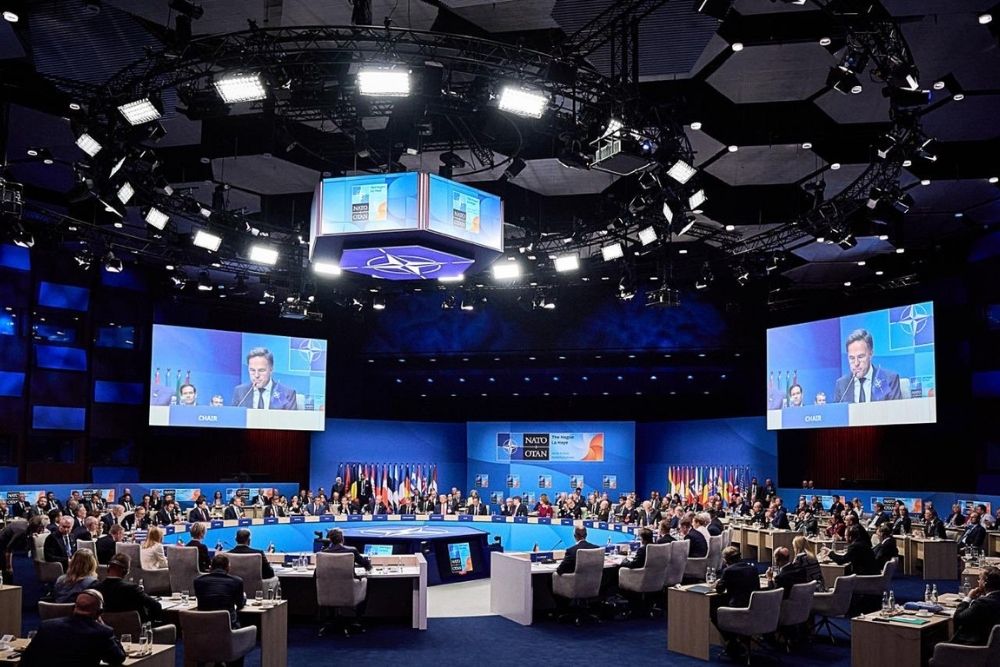
European defense stocks rose modestly on Thursday, buoyed by NATO leaders’ formal backing of a major hike in military spending, a key demand of U.S. President Donald Trump. The announcement, which set an ambitious new target of 3.5% of GDP for core defense outlays and 1.5% for related spending, sparked optimism in the sector—though market enthusiasm remains guarded.
By mid-morning trading in Europe, shares in German defense giant Rheinmetall and Italy’s Fincantieri had gained between 3% and 6%. Fincantieri’s performance was boosted further by the announcement of a fresh €700 million ($820 million) naval contract. The STOXX Europe Aerospace & Defense Index, which has already rallied 49% year-to-date, was up another 1.3% on the day.
China’s september imports surge on seasonal restock
China’s September import slate looks like a classic autumn restock, with some telling wrinkles. Iron ore, coal, copper metal and soybeans all climbed to year-to-date highs as buyers pre-positioned for the fourth-quarter lift in construction, manufacturing and food processing.
That seasonal pattern sits atop a downbeat macro backdrop: manufacturing has shrunk for six straight months and services softened, but better weather, holiday production runs, and “use-it-or-lose-it” budgets nudged procurement managers to rebuild inventories.