
Global commodities markets under threat from China’s underwhelming economy
- August 23, 2023
- Posted by: Quatro Strategies
- Categories: China, Mining & Metals, Rare Earths & Commodities
China’s economy is facing challenges that are impacting global commodities demand. While commodities have held up relatively well amid worsening economic conditions, concerns arise due to factors such as the ongoing property market crisis, deflation, weak exports, and a falling yuan. Structural challenges, like the shift towards a consumption-led economy, affect commodities differently, with some materials benefiting more from the transition to clean energy, while others are impacted negatively.
Base Metals: Base metals have seen a drop in profitability, with aluminum being particularly affected due to fierce competition and price wars. Inventories of copper and aluminum have decreased, partly due to demand from clean energy sectors.
Iron & Steel: Construction, which heavily depends on steel, accounts for a significant portion of China’s steel demand. Iron ore prices have been supported by expectations of stimulus, but concerns about adding to local government debt and the state of the property market raise uncertainties.
Crude Oil: Crude oil shipments initially showed strong demand, but refiners are now throttling back imports and using inventories instead. Diesel consumption is hampered by weak industrial activity, while gasoline demand faces competition from electric vehicles. The petrochemicals sector is also facing challenges due to a slowdown in the property market.
Coal & Gas: Coal, a key fuel in China, has seen increased output and imports, leading to a glut and lower prices. Power plants might choose to reduce inventory if industrial indicators remain pessimistic. Imports, including liquefied natural gas, are likely to slow due to China’s economic challenges and the depreciation of the yuan.
Pork: The expected recovery in the pork market didn’t materialize, impacting China’s broader economy. Pork has a significant influence on food prices, which contributed to consumer deflation in July. The disappointing recovery has left pig farmers facing losses, and the market remains in surplus.
China’s economic situation is complex and multi-faceted, with the impact on different commodities varying. The country’s economic challenges pose a risk to global commodities demand, affecting both supply and consumption patterns.
Interested in learning more?
Sign up for Top Insights Today

Top Insights Today delivers the latest insights straight to your inbox.
You will get daily industry insights on
Oil & Gas, Rare Earths & Commodities, Mining & Metals, EVs & Battery Technology, ESG & Renewable Energy, AI & Semiconductors, Aerospace & Defense, Sanctions & Regulation, Business & Politics.
Read more insights
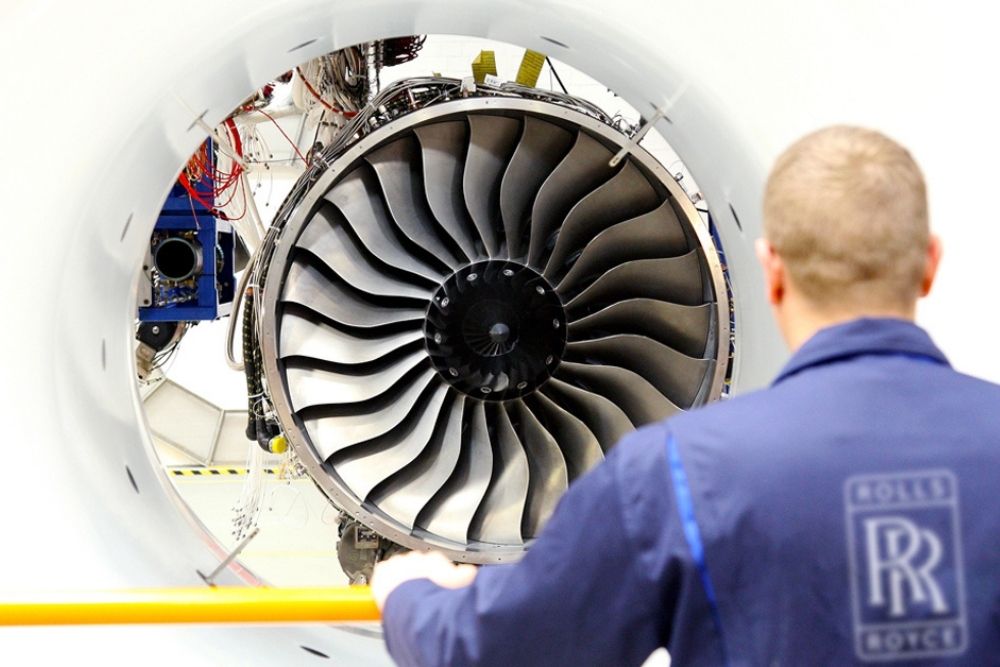
Rolls-Royce, Airbus, EasyJet launch hydrogen partnership
Airbus, easyJet, and Rolls-Royce have formed an alliance called “Hydrogen in Aviation (HIA)” aimed at positioning the UK as a leader in hydrogen-powered aviation. The alliance intends to ensure that infrastructure, policy, regulatory, and safety frameworks are in place for the introduction of hydrogen-powered aircraft.

Beyond the great-power crossfire, frontier assets offer yield without the geopolitics
Frontier markets have quietly become one of the hottest corners of global finance, and a growing group of specialist investors thinks the run has further to go into 2026. What looked, just a couple of years ago, like a basket of distressed, default-prone economies is now being rebranded as a high-beta but increasingly investable asset class, offering double-digit returns with less direct exposure to the great power rivalries that dominate mainstream emerging markets.
On the equity side, Asia Frontier Capital in Hong Kong is leaning into this narrative by adding to positions in Sri Lanka and Bangladesh, two economies that have recently gone through wrenching adjustments but are now seen as recovery stories. In fixed income, Aberdeen is positioning for further gains in beaten-down sovereign bonds from Argentina, Ghana and Ecuador, while Federated Hermes has increased its overall frontier exposure and is particularly constructive on debt from Nigeria, Sri Lanka, Pakistan and Ecuador.
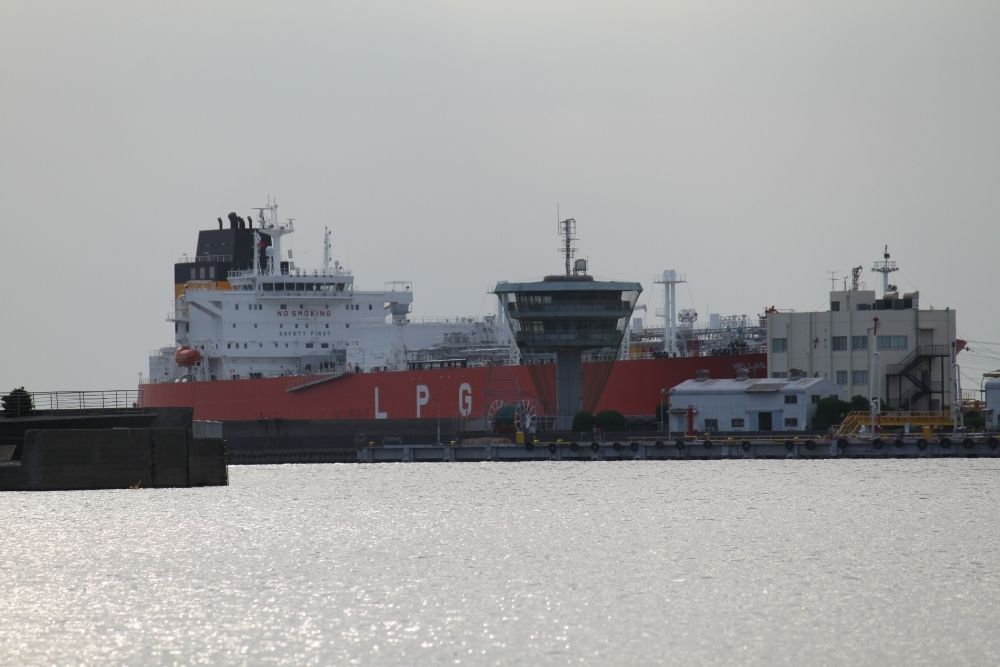
China dumps U.S. LPG, turns to Gulf as global routes realign
The scramble by Chinese plastics manufacturers to replace tariff-hit U.S. liquefied petroleum gas (LPG) with supplies from the Middle East is upending global LPG trade flows and reviving long-depressed shipping markets. This redirection of cargoes underscores the real-time, cascading impact of the U.S.-China trade war on global energy logistics and industrial operations.
Facing steep new tariffs on American LPG—part of China’s retaliation to sweeping U.S. duties—Chinese buyers have been scrambling to reconfigure previously arranged deliveries. At least seven very-large gas carriers (VLGCs) loaded with U.S. LPG and originally destined for China in May and June are now being rerouted to India and Southeast Asia.