
Italy considers measures to protect auto industry from Chinese imports
- October 3, 2023
- Posted by: Quatro Strategies
- Categories: China, Europe, EVs & Battery Technology, Sanctions & Regulation

Italy is reportedly considering implementing new incentives for car purchases that take into account carbon emissions in the manufacturing and distribution process. The inspiration for this scheme comes from a similar one adopted in France recently. The aim is to potentially discourage purchases of Chinese-built electric cars (EVs), as imports of these vehicles are increasing in Europe due to lower prices compared to those produced by local automakers.
While typical incentives usually target a vehicle’s emissions, the proposed rules in France score car models against government-set thresholds considering the energy used in manufacturing their materials, assembly, transport to market, and the type of battery they use. This nuanced approach aims to account for the overall carbon footprint associated with the vehicle.
However, it’s important to note that European Union competition rules prohibit favoring local producers. France’s criteria, while indirectly discouraging Chinese imports due to their manufacturing processes being largely powered by coal-generated electricity, align with WTO rules as exemptions are allowed for health and environmental reasons.
In Italy, the government is aiming to agree on a comprehensive long-term plan for its automotive industry, involving discussions with relevant groups, including Stellantis, Italy’s major automaker. The talks, expected to continue until the end of the year, encompass new incentive schemes designed to encourage a shift towards environmentally friendly vehicles and to boost national car output.
This move underscores Italy’s strategy to protect its automotive industry against the influx of Chinese EVs and promote sustainability within the sector.
QUATRO Strategies International Inc. is the leading business insights and corporate strategy company based in Toronto, Ontario. Through our unique services, we counsel our clients on their key strategic issues, leveraging our deep industry expertise and using analytical rigor to help them make informed decisions to establish a competitive edge in the marketplace.
Interested in learning more?
Sign up for Top Insights Today

Top Insights Today delivers the latest insights straight to your inbox.
You will get daily industry insights on
Oil & Gas, Rare Earths & Commodities, Mining & Metals, EVs & Battery Technology, ESG & Renewable Energy, AI & Semiconductors, Aerospace & Defense, Sanctions & Regulation, Business & Politics.
Read more insights
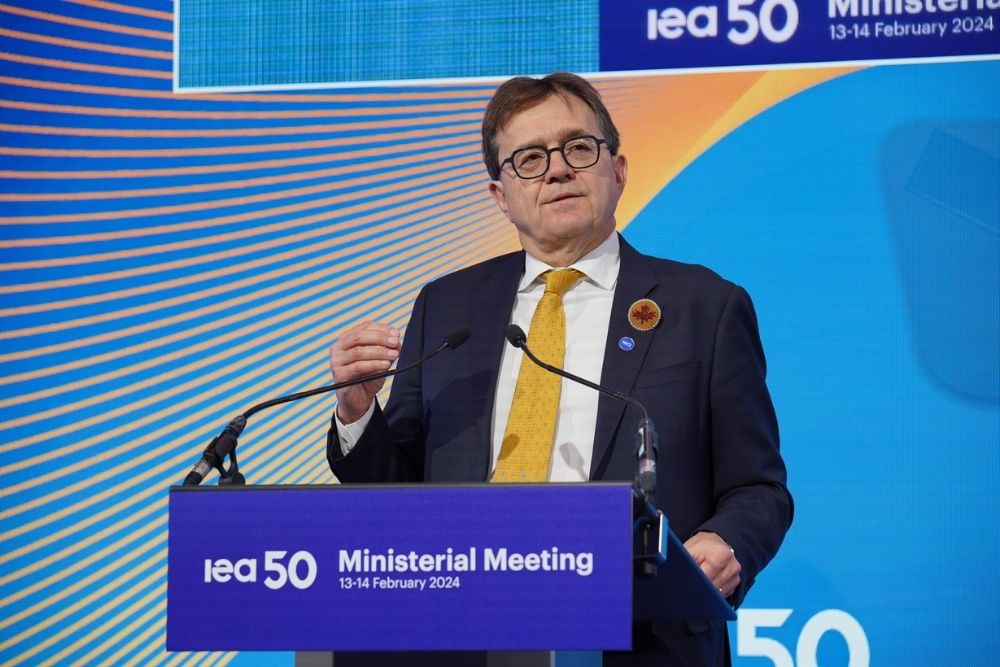
Canada outlines plans to enhance critical mineral production
Canada is undertaking measures to enhance its energy security by significantly reducing the time required to develop new critical mineral mines, aiming to expedite the permitting processes by almost a decade. Jonathan Wilkinson, the energy minister, outlined Canada’s focus on six critical minerals…
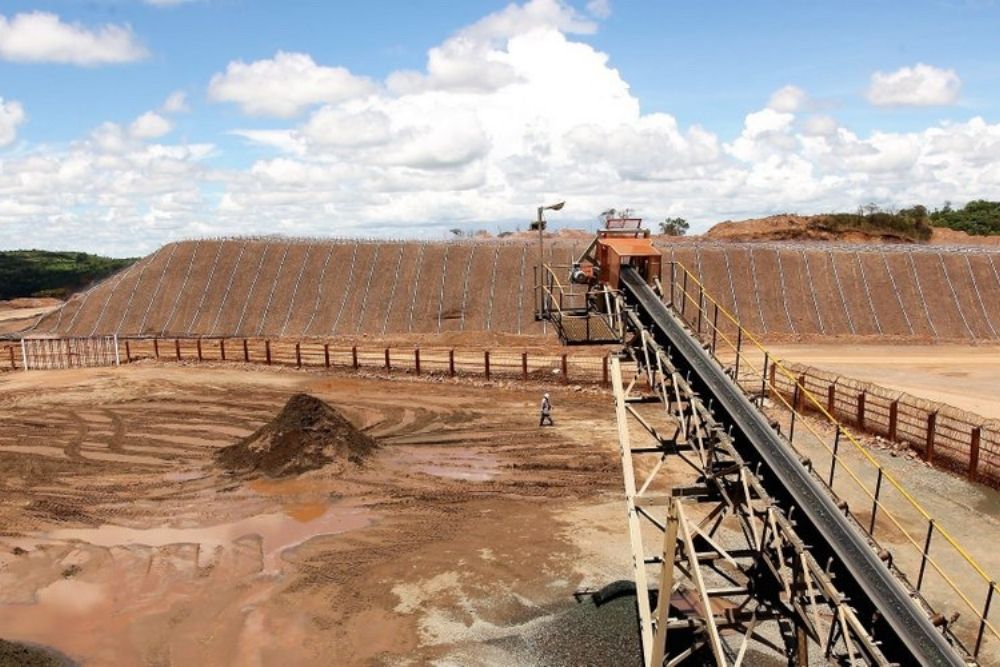
U.S. nears landmark mineral and peace pact with Congo to counter China in Africa
Officials in the Democratic Republic of Congo (DRC) are expressing cautious optimism that they may finalize a landmark agreement with the United States as early as next month, aimed at securing American investment in critical minerals and advancing a U.S.-brokered peace deal with Rwanda.
The dual-track negotiations—one focused on economic development and the other on regional security—could culminate in a transformative pact by the end of June. While diplomatic hurdles remain, a successful outcome would mark a major geopolitical win for both Washington and Kinshasa, and potentially reshape global supply chains for strategic metals.
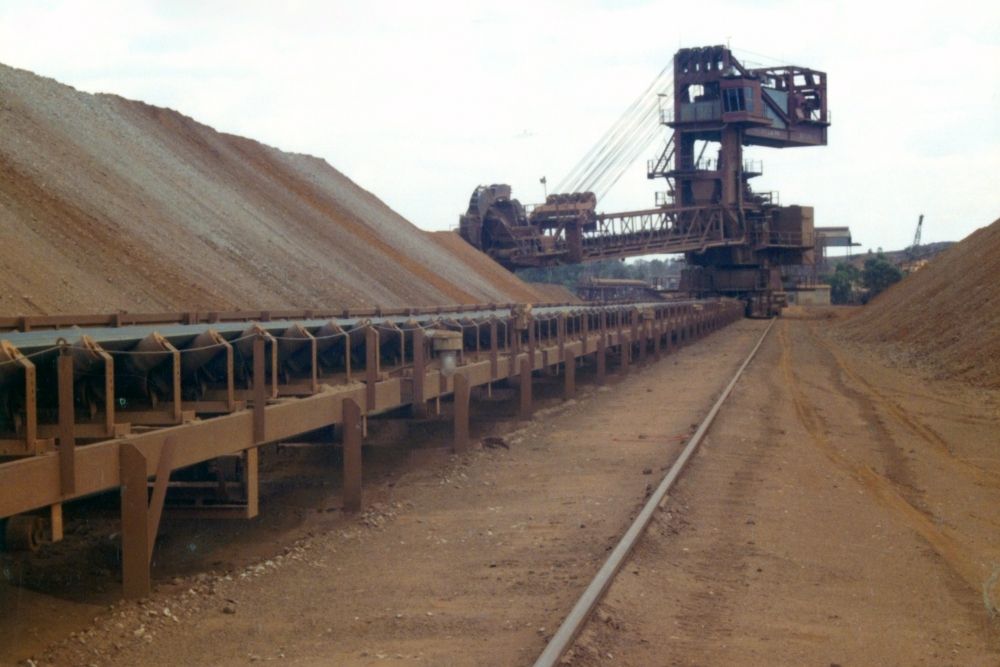
Argentina eyes copper boom but faces infrastructure mountain to climb
Argentina is sitting on some of the world’s most promising untapped copper reserves, concentrated in the high-altitude provinces bordering Chile, yet it remains far behind its Andean neighbor in building the infrastructure needed to turn these deposits into revenue.
While Chile has spent decades constructing the power lines, roads, and logistical systems that underpin its mining dominance, Argentina’s sector is hamstrung by decades of underinvestment, a problem now compounded by President Javier Milei’s aggressive austerity measures aimed at curbing inflation and debt. For Buenos Aires, the challenge is finding ways to finance mining-related infrastructure without stretching an already strained public budget.