
Japanese firms studying Osaka green hydrogen project
- August 30, 2023
- Posted by: Quatro Strategies
- Categories: Asia Pacific, ESG & Renewable Energy
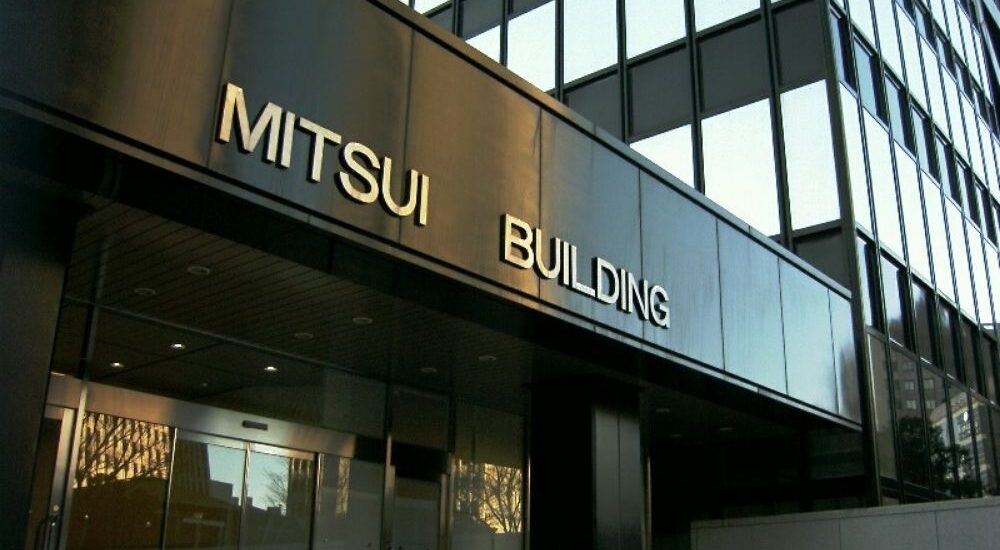
Japan’s Mitsui & Co, Mitsui Chemicals, IHI Corp, and Kansai Electric Power Co have announced a joint study for establishing a hydrogen and ammonia supply chain in the Osaka coastal industrial zone. This initiative follows another recent announcement by Eneos and Osaka Gas regarding the construction of a large e-methane facility based on green hydrogen in the Osaka Bay area.
The four companies involved in the new study will explore options for receiving, storing, and supplying ammonia in the Osaka area, aiming to expand its usage in the Kansai and nearby Setouchi regions. Ammonia is a versatile chemical that can be used in power generation and other sectors and is an integral part of Japan’s strategy to transition away from traditional fossil fuels to low-emission alternatives.
In a separate development, Tokyo Gas Co, Osaka Gas Co, Toho Gas Co, Mitsubishi Corp, and Sempra Infrastructure Partners LP have announced a study on e-methane exports to Japan from the United States. This project involves producing 130,000 metric tons of e-methane annually in the US, liquefying it at a nearby LNG terminal, and then exporting it to Japan starting in 2030. E-methane is produced using green hydrogen and has the potential to significantly reduce carbon emissions compared to traditional natural gas.
These initiatives underscore Japan’s commitment to transitioning its energy sector towards cleaner alternatives, with a focus on hydrogen and related chemicals as essential components of its energy security and emissions reduction strategies.
Interested in learning more?
Sign up for Top Insights Today

Top Insights Today delivers the latest insights straight to your inbox.
You will get daily industry insights on
Oil & Gas, Rare Earths & Commodities, Mining & Metals, EVs & Battery Technology, ESG & Renewable Energy, AI & Semiconductors, Aerospace & Defense, Sanctions & Regulation, Business & Politics.
Read more insights
UK sanctions target Russian metals, impacting trading and prices
The United Kingdom has implemented new sanctions targeting Russian metals, a move that prohibits British citizens and companies from trading in a range of metals originating in or located in Russia. The metals affected by these restrictions include copper, nickel, aluminum, lead, zinc…
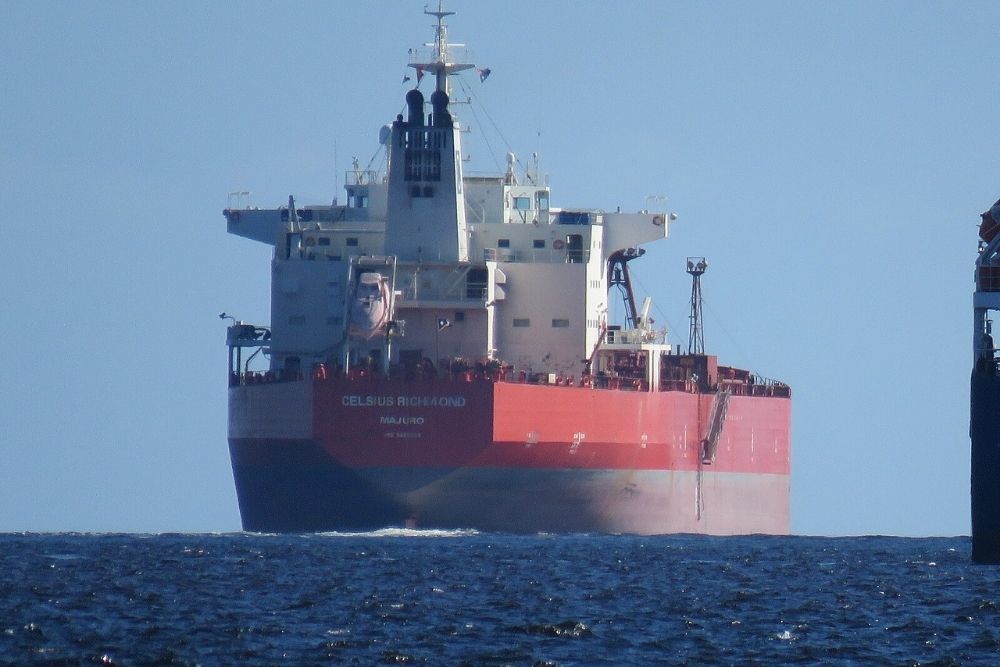
Cape of Good Hope sees 47% surge in oil shipments as Red Sea route still faces threats
The increase in global crude oil and oil products shipments taking the longer route around the Cape of Good Hope highlights significant changes in maritime logistics due to ongoing attacks on vessels using the shorter Red Sea route. This strategic shift has resulted in a 47% rise in shipments opting for the Cape route…
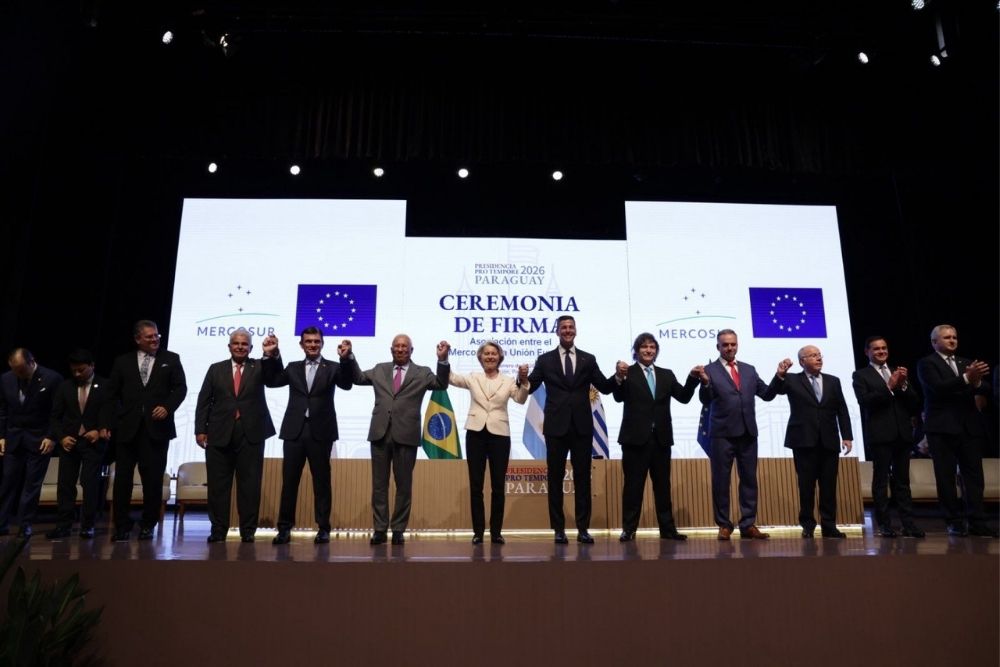
EU seals Mercosur deal to diversify trade as tariffs return to transatlantic politics
The European Union and the Mercosur bloc (Argentina, Brazil, Paraguay and Uruguay) have formally signed a long-negotiated free trade agreement in Asunción, Paraguay’s capital, closing the diplomatic loop on roughly a quarter-century of talks and positioning the pact as the EU’s biggest trade deal to date by the breadth of market opening it promises.
The signature is not the same thing as entry into force: the agreement still needs consent from the European Parliament and ratification on the Mercosur side, and it is headed into precisely the political minefields, including farming, environmental enforcement, and regulatory trust, that repeatedly stalled it in the past.