
Romania set to purchase 32 F-35s from the U.S. for $6.5 billion
- September 27, 2023
- Posted by: Quatro Strategies
- Categories: Aerospace & Defense, Europe, United States
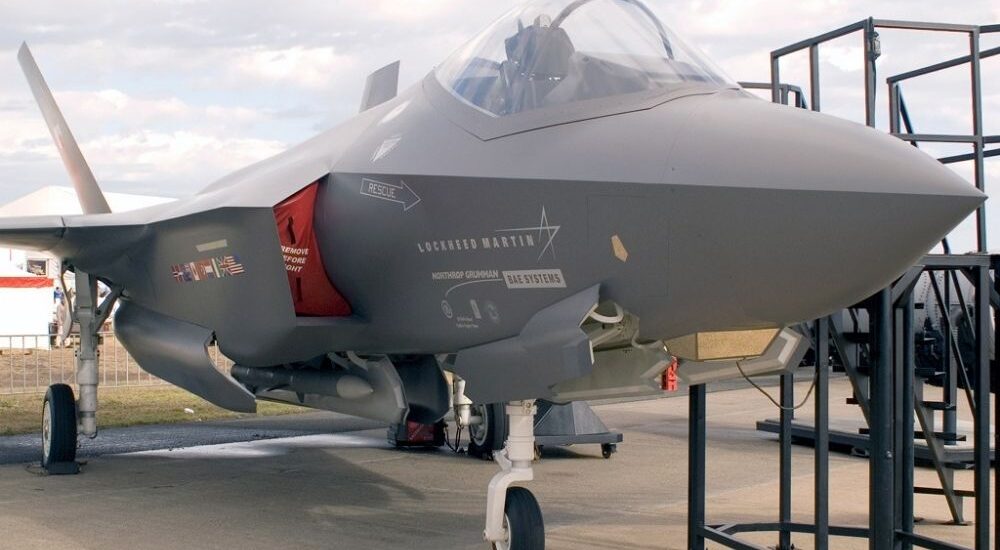
Romania is set to purchase 32 latest-generation F-35 fighter planes from U.S. manufacturer Lockheed Martin at a cost of $6.5 billion, according to an announcement by the country’s defense ministry. The decision to acquire these advanced aircraft aligns with Romania’s efforts to bolster its defense capabilities in response to security concerns, notably Russia’s invasion of Ukraine.
Romania, an EU and NATO member, has increased defense spending to 2.5% of its GDP from 2% this year.
The country shares a significant border of 650 kilometers (400 miles) with Ukraine, and the conflict in Ukraine has brought the conflict closer to Romania’s borders as Russia repeatedly attacks Ukrainian ports along the River Danube.
This strategic move to purchase the F-35s is seen as a crucial step to enhance Romania’s defense and security, considering its geographical proximity to the ongoing conflict and the evolving security landscape in the region.
This acquisition complements Romania’s existing defense assets, such as the procurement of 32 second-hand F-16 fighter jets from Norway last year and the acquisition of 17 F-16s from Portugal since 2016. Additionally, Romania has been expanding its defense infrastructure, establishing a regional training hub for F-16 pilots, furthering its collaboration with NATO and allies, including Ukraine.
The purchase of the F-35s is part of a comprehensive deal, including logistics, training services, flight simulators, ammunition, and an option for Romania to buy an additional 16 F-35s in the future. While the initial agreement was approved by Romania’s supreme defense council (CSAT) in April, final contracts are expected to be signed next year, with the first planes anticipated for delivery after 2030, according to Defense Minister Angel Tilvar.
QUATRO Strategies International Inc. is the leading business insights and corporate strategy company based in Toronto, Ontario. Through our unique services, we counsel our clients on their key strategic issues, leveraging our deep industry expertise and using analytical rigor to help them make informed decisions to establish a competitive edge in the marketplace.
Interested in learning more?
Sign up for Top Insights Today

Top Insights Today delivers the latest insights straight to your inbox.
You will get daily industry insights on
Oil & Gas, Rare Earths & Commodities, Mining & Metals, EVs & Battery Technology, ESG & Renewable Energy, AI & Semiconductors, Aerospace & Defense, Sanctions & Regulation, Business & Politics.
Read more insights

DRC moves from passive supplier to market manager in cobalt trade
The Democratic Republic of Congo’s decision to maintain its newly introduced cobalt export quota system marks a significant shift in how the world’s largest supplier of this critical mineral intends to wield its market power. By moving away from an outright export ban toward managed quotas, Kinshasa is signaling that it seeks not only to stabilize prices but also to exert greater sovereignty over a sector that has long been dominated by foreign companies, particularly Chinese firms.
With the global transition to electric vehicles and renewable energy accelerating, cobalt’s strategic importance makes Congo’s policies a matter of international consequence. Cobalt is indispensable for the production of lithium-ion batteries, powering everything from smartphones to electric cars to grid storage systems.
Corporate earnings reveal deepening fault lines in Trump’s global trade war
The global corporate earnings season has revealed a stark and widening fault line caused by President Donald Trump’s sweeping trade war. Businesses across a broad range of industries — from consumer goods to airlines, automakers to pharmaceutical companies — are warning of rising costs, growing operational uncertainty, and faltering consumer sentiment as tariffs and trade tensions ripple through the global economy.
Procter & Gamble, PepsiCo, Thermo Fisher Scientific, and American Airlines were among the major firms on Thursday to either cut profit forecasts or withdraw financial guidance entirely. Their earnings reports paint a clear picture: Trump’s tariffs are upending supply chains and sowing strategic confusion in boardrooms.
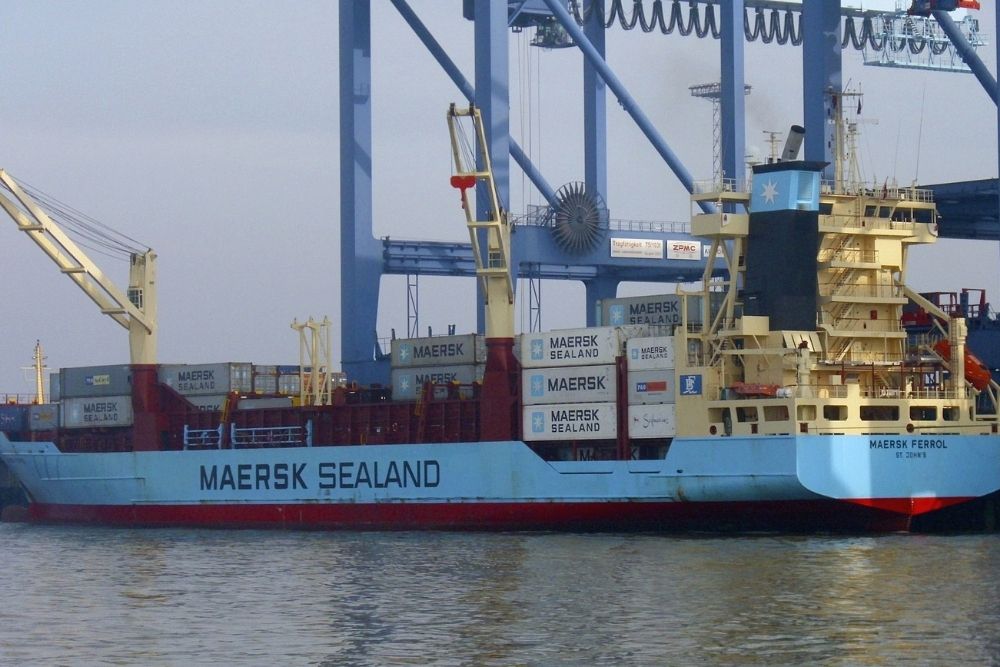
Maersk warns of further Red Sea shipping disruptions, projects 20% capacity drop
The disruption to container shipping in the Red Sea is escalating, according to Maersk, which projected that this would result in a reduction of the industry’s capacity between Asia and Europe by up to 20% in the second quarter. Since December, Maersk and other shipping companies have been rerouting…