
Russia lifts ban on exports of low-quality diesel
- September 26, 2023
- Posted by: Quatro Strategies
- Categories: Europe, Oil & Gas, Sanctions & Regulation
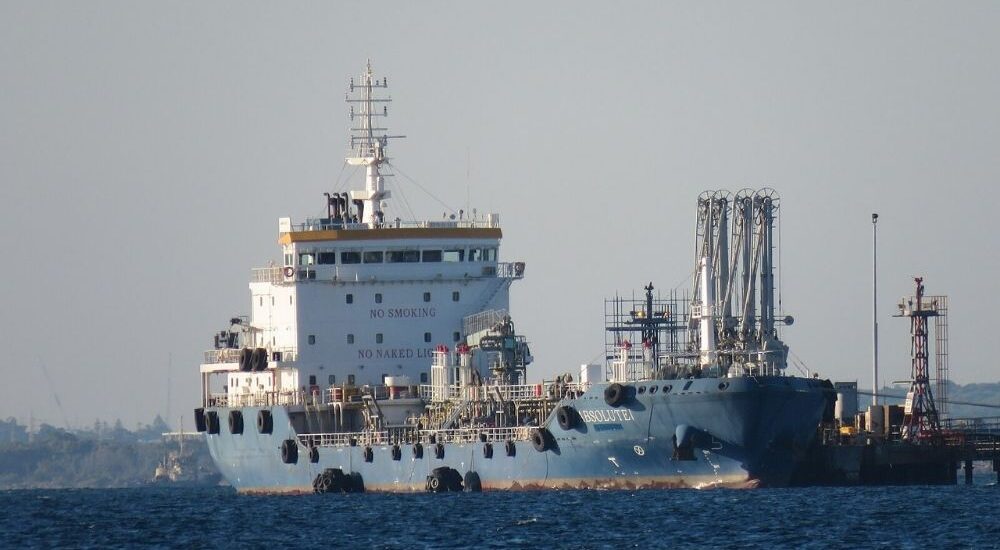
Russia has made adjustments to its recent fuel export ban, lifting restrictions on specific types of fuel, including fuel used for bunkering certain vessels and high-sulfur content diesel. The government document, dated September 23, also indicated that restrictions were lifted on the export of fuel that had already been accepted for export by the Russian Railways and Transneft before the initial ban was announced.
However, the indefinite ban on all types of gasoline and high-quality diesel remains in place. Analysts anticipate that this ban is likely to be short-lived and will be completely lifted after the harvest season ends next month.
The initial export ban, announced on Thursday, encompassed gasoline and diesel, affecting all countries outside a select group of four ex-Soviet states. The primary objective was to stabilize the domestic fuel market. This move followed a notable decline in wholesale prices for diesel and gasoline in Russia.
In recent months, Russia has grappled with fuel shortages and a surge in wholesale fuel prices, even though retail prices have been capped to mitigate the impact of inflation. The fuel scarcity has been particularly acute in parts of Russia’s southern breadbasket, where fuel is critical for the harvest. This situation could pose a challenge for the Kremlin, especially with a presidential election looming in March.
It’s worth noting that Russia had already reduced its seaborne diesel and gasoil exports by almost 30% in the first 20 days of September compared to the same period in August. This export ban was a part of the measures aimed at stabilizing the domestic fuel market and ensuring sufficient supply during a critical period.
QUATRO Strategies International Inc. is the leading business insights and corporate strategy company based in Toronto, Ontario. Through our unique services, we counsel our clients on their key strategic issues, leveraging our deep industry expertise and using analytical rigor to help them make informed decisions to establish a competitive edge in the marketplace.
Interested in learning more?
Sign up for Top Insights Today

Top Insights Today delivers the latest insights straight to your inbox.
You will get daily industry insights on
Oil & Gas, Rare Earths & Commodities, Mining & Metals, EVs & Battery Technology, ESG & Renewable Energy, AI & Semiconductors, Aerospace & Defense, Sanctions & Regulation, Business & Politics.
Read more insights
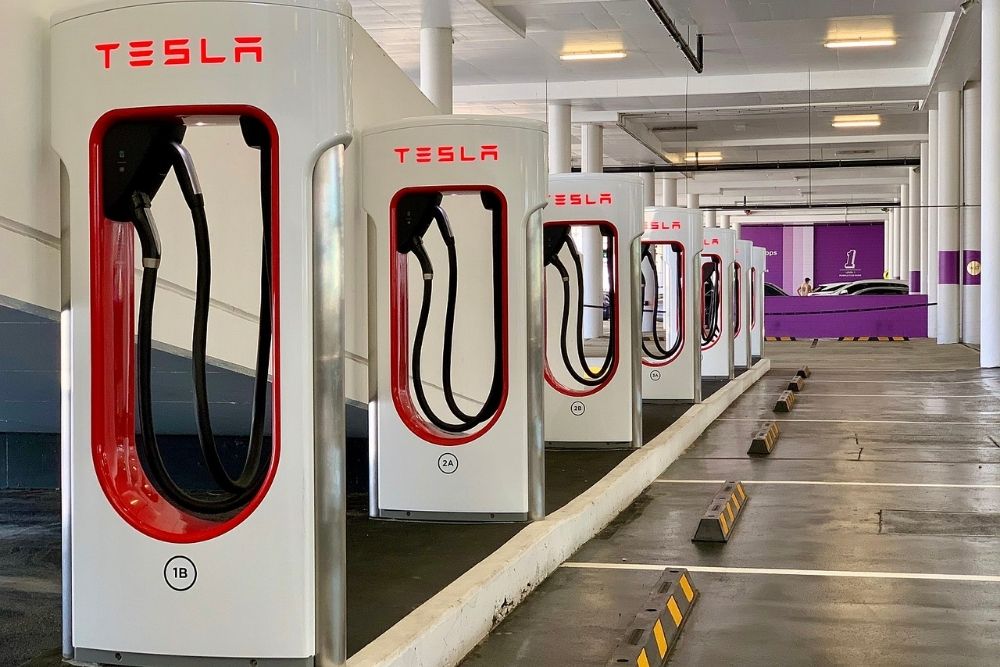
Tesla asks for tax incentives from Australia to boost EV supply chain
Tesla Chair Robyn Denholm has suggested that Australia should provide tax incentives to develop the country into a battery mineral processing hub. Denholm stated that Australia can do more than just being a “dig and ship” nation.
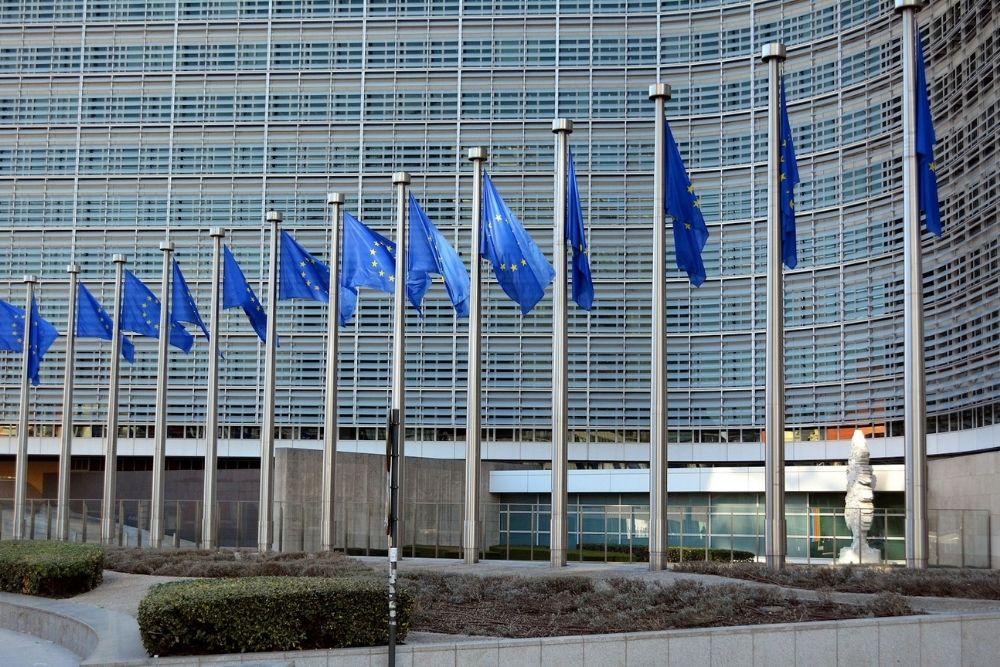
EU slashes ESG reporting burden to shore up competitiveness
Brussels just put a match to the scaffolding of its flagship sustainable-finance regime. In a sweeping rewrite of the Sustainable Finance Disclosure Regulation, the European Commission is proposing to scrap the blanket requirement that every asset manager publish “principal adverse impact” statements for their entire portfolio. In its place, the rulebook would introduce clearer, narrower fund categories built around exclusion thresholds and crucially a dedicated label for “transition” strategies.
The stated aim is to swap sprawling, impenetrable disclosures for something retail investors can actually read and compare. But behind the readability pitch sits a bigger industrial policy choice: pare back compliance drag to shore up Europe’s competitiveness, even if that means giving up some of the data heft that NGOs and many allocators have grown to rely on.
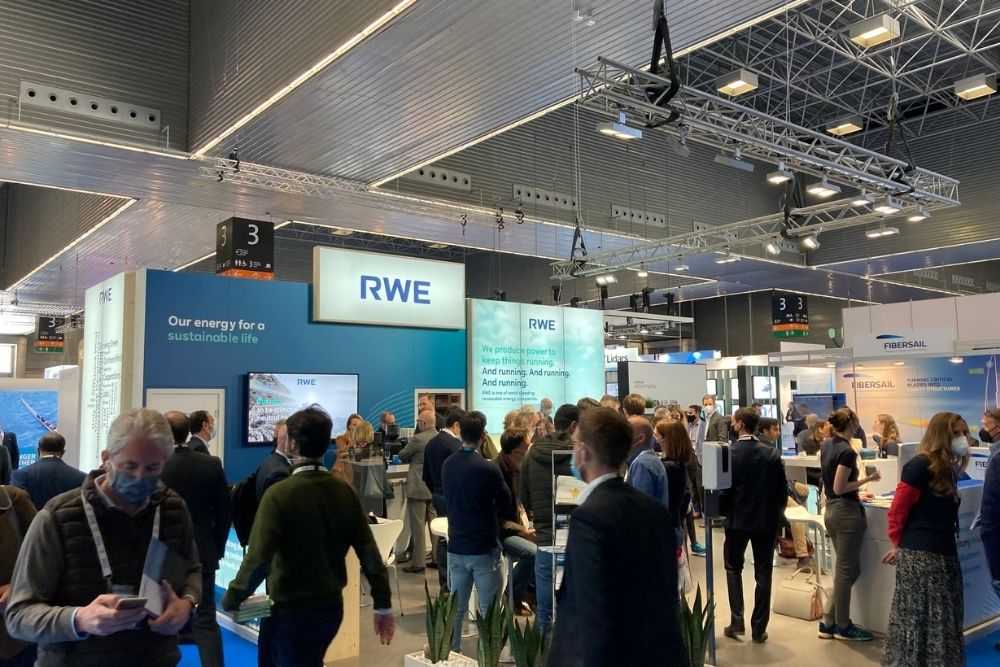
RWE, TotalEnergies ink landmark green hydrogen deal for German refinery
RWE, Germany’s largest utility, has signed a major green hydrogen supply agreement with French oil giant TotalEnergies, marking a significant step in Europe’s decarbonization efforts. Under the deal, RWE will supply TotalEnergies’ Leuna refinery in eastern Germany with around 30,000 tonnes of green hydrogen annually from 2030 to 2044. The hydrogen will be produced at RWE’s 300-megawatt electrolysis plant in Lingen, western Germany, which is set to begin operations in 2027.
This agreement represents the largest amount of carbon-neutral hydrogen ever contracted from a German electrolysis facility and signals confidence in the future of hydrogen despite ongoing skepticism about its economic viability. Green hydrogen, which is produced using renewable electricity to split water into hydrogen and oxygen, is a cleaner alternative to traditional hydrogen production methods that rely on natural gas.