
South Africa’s Sibanye looking to bring in Chinese investor for Zambia copper mine
- August 30, 2023
- Posted by: Quatro Strategies
- Categories: Africa, China, Mining & Metals, Rare Earths & Commodities
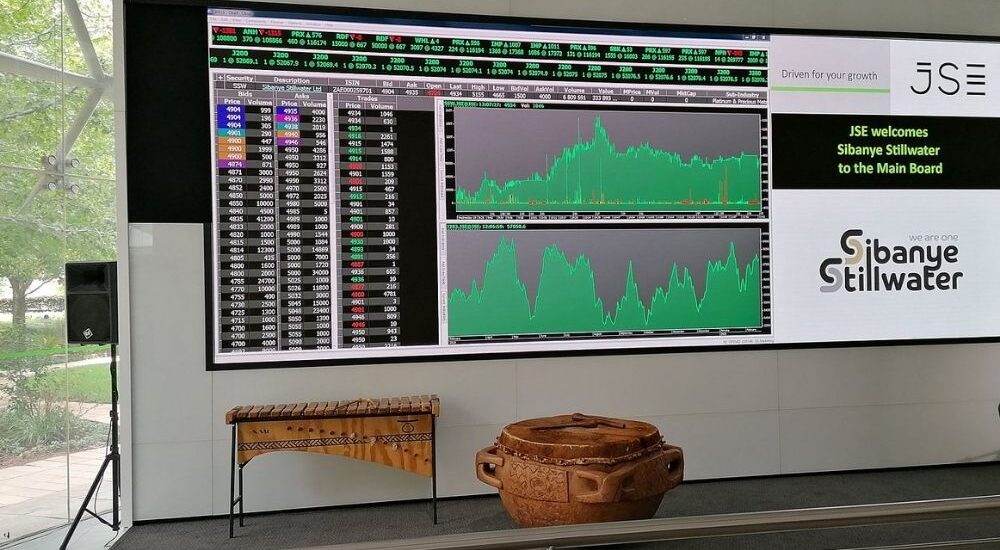
South Africa’s Sibanye Stillwater is considering bringing in a Chinese investor to form a partnership if it succeeds in its bid to acquire Zambia’s Mopani Copper Mines, according to the company’s CEO, Neal Froneman. Sibanye is among the shortlisted potential buyers for the copper mines owned by a unit of the Zambian government. Froneman mentioned that they are working with a partner they have already identified and that the Chinese company has a presence in copper mining. The CEO did not provide further details about the investor or the terms of the potential partnership.
Sibanye is competing against China’s Zijin Mining Group in the bid for Mopani Copper Mines. Froneman, known for his dealmaking expertise, aims to expand Sibanye’s portfolio with new assets as the output from South African gold and platinum mines has been affected by electricity blackouts and rising crime.
The potential Chinese partner’s involvement could help mitigate risks associated with the investment in Mopani Copper Mines. Froneman noted that the partner is experienced in the copper business and smelting, which would contribute to managing risks associated with the venture.
Swiss commodities group Glencore sold a 73% stake in Mopani to Zambia Consolidated Copper Mines (ZCCM) in 2021. Glencore retained offtake rights of Mopani’s copper production until the debt from the transaction had been repaid in full.
The winner of the bid for Mopani’s assets, managed by Rothschild & Co, is expected to be announced in about three weeks. Froneman stated that the Mopani assets require significant investment, but the spending would be spread over several years. He emphasized a preference for working with partners and earning-in, which would avoid a large upfront capital outlay for the acquisition.
Interested in learning more?
Sign up for Top Insights Today

Top Insights Today delivers the latest insights straight to your inbox.
You will get daily industry insights on
Oil & Gas, Rare Earths & Commodities, Mining & Metals, EVs & Battery Technology, ESG & Renewable Energy, AI & Semiconductors, Aerospace & Defense, Sanctions & Regulation, Business & Politics.
Read more insights
India caught in crossfire as EU cracks down on refined fuels from Russian oil
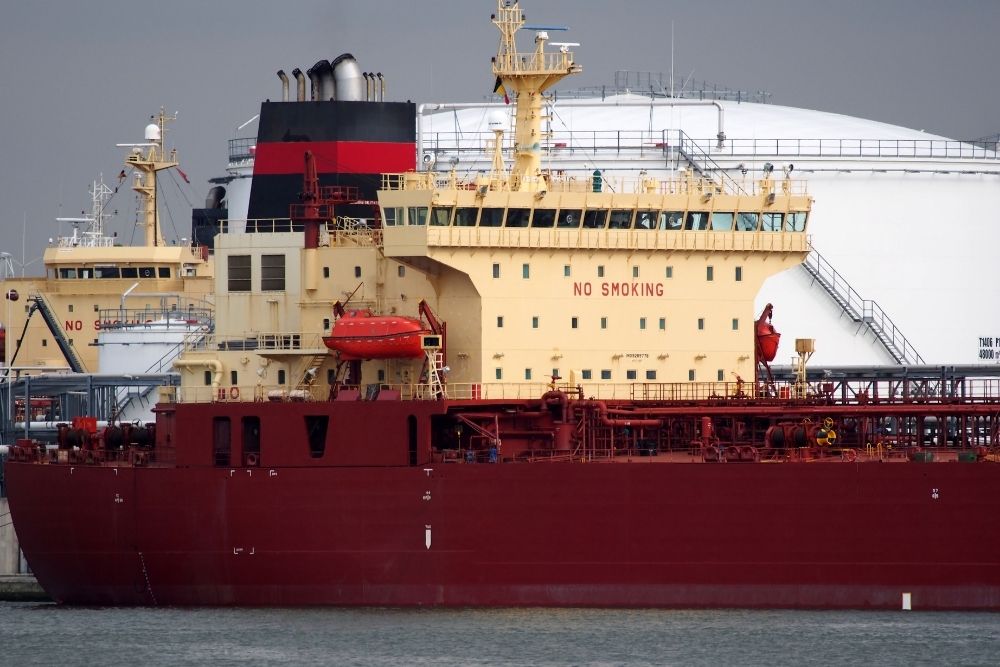
The European Union’s 18th round of sanctions on Russia is set to disrupt a lucrative trade route that Indian private refiners have capitalized on since Moscow’s invasion of Ukraine: importing discounted Russian crude, refining it, and selling petroleum products, especially diesel and jet fuel, into the European market.
With new rules prohibiting the import of refined products made from Russian crude, even when processed in third countries like India, Indian refiners such as Reliance Industries and Nayara Energy face a complex and potentially costly realignment of their export strategies.
Apple, GM, and Pentagon deals put MP at center of U.S. magnet supply renaissance
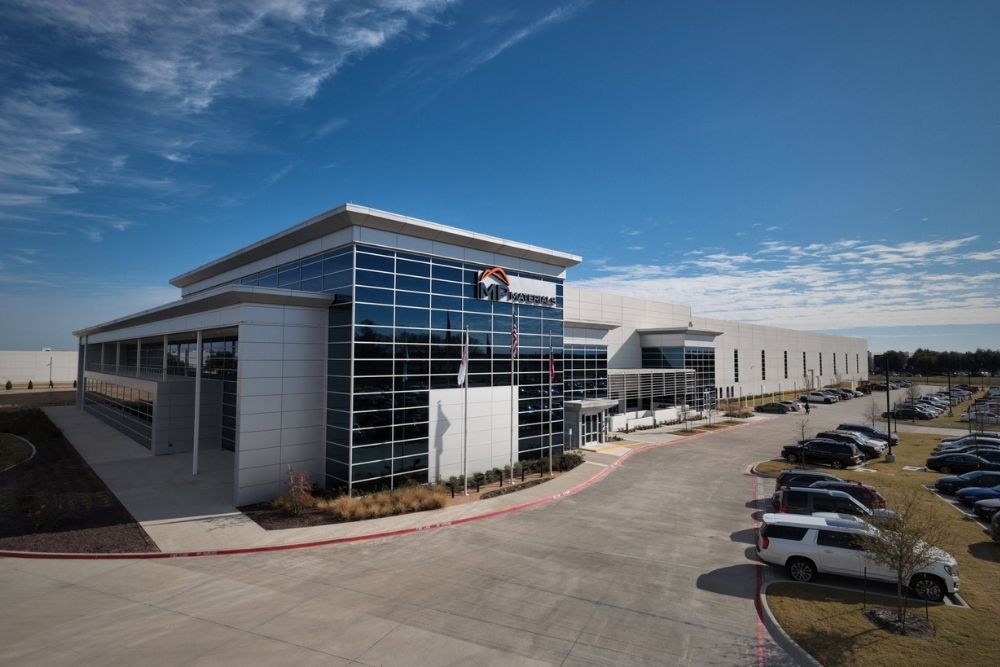
MP Materials’ newly sealed partnerships with the U.S. Department of Defense, Apple, and General Motors represent a pivotal moment in the reshaping of America’s rare earths supply chain, and a decisive step toward ending decades of dependence on China, which currently dominates about 90% of the global market for rare-earth magnets.
These magnets are mission-critical components in electric vehicles, aircraft, electronics, defense systems, and emerging technologies such as autonomous vehicles and robotics. The deals are strategically significant for multiple reasons.
Trump’s Taiwan arms expansion poised to test Beijing’s red lines
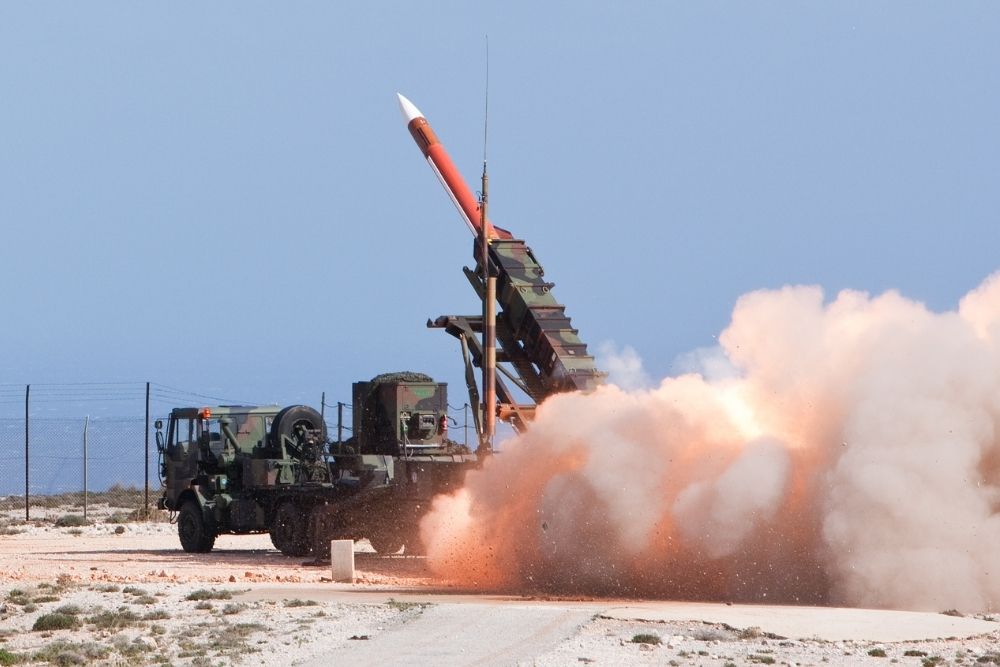
The United States is preparing to ramp up arms exports to Taiwan to levels exceeding those approved during Donald Trump’s first term in office, as Washington intensifies efforts to deter potential Chinese aggression against the democratic island. The expected surge in weapons sales would aim to bolster Taiwan’s defense capabilities amid Beijing’s escalating military assertiveness in the region.
If realized, the expanded arms pipeline would not only allay doubts about Trump’s commitment to Taiwan’s security—concerns amplified by his campaign rhetoric—but also inject fresh volatility into the already strained U.S.-China relationship. Trump previously suggested that Taiwan should “pay” for U.S. protection and accused the island of undermining U.S. semiconductor dominance, remarks that unsettled policymakers in Taipei.