
Stellantis to invest more than $100 million in California-based lithium producer
- August 18, 2023
- Posted by: Quatro Strategies
- Categories: Europe, Mining & Metals, United States
Automaker Stellantis has announced an investment of over $100 million in California’s Controlled Thermal Resources, a move that demonstrates its commitment to the direct lithium extraction (DLE) sector. As the transition to green energy gains momentum and concerns rise about potential lithium shortages due to high demand forecasts and the U.S. Inflation Reduction Act, companies are actively exploring new sources of the crucial electric vehicle battery metal.
DLE technologies aim to extract lithium mechanically from saline brine deposits, bypassing the need for environmentally challenging open-pit mines or large evaporation ponds, which are common methods of lithium extraction.
Stellantis, the parent company of brands like Chrysler and Jeep, plans to invest in Controlled Thermal Resources and significantly increase its lithium purchase from the company. The company aims to triple the amount of lithium it buys from Controlled Thermal, with a boosted order of 65,000 metric tons annually for at least a decade, beginning in 2027.
Controlled Thermal Resources is planning to invest over $1 billion in separating lithium from superhot geothermal brines sourced from California’s Salton Sea. The brines will be used to produce electricity, which is expected to reduce the carbon emissions associated with lithium production. The company has developed a facility to remove unwanted metals from the brine, and it employs licensed DLE equipment from Koch Industries to extract lithium.
Stellantis’ investment in Controlled Thermal Resources aligns with its target of making 50% of its fleet electric by 2030. This partnership is seen as a significant step toward supporting clean, sustainable mobility solutions.
While specific investment figures were not disclosed, Controlled Thermal Resources aims to secure final permits by October and commence construction of a commercial lithium plant shortly thereafter. The company is working with Goldman Sachs to secure additional debt and equity financing.
Controlled Thermal Resources had previously agreed to supply lithium to General Motors by 2024, but that timeline has been extended to 2025. Stellantis also has investments in other lithium-related projects, including Vulcan Energy Resources, which is developing a direct lithium extraction project in Germany.
Interested in learning more?
Sign up for Top Insights Today

Top Insights Today delivers the latest insights straight to your inbox.
You'll get daily industry insights on
Energy, Cleantech, Oil & Gas, Mining, Defense, Aviation, Construction, Transportation, Online Retail, Bigtech, Finance and Politics of Business
Read more insights
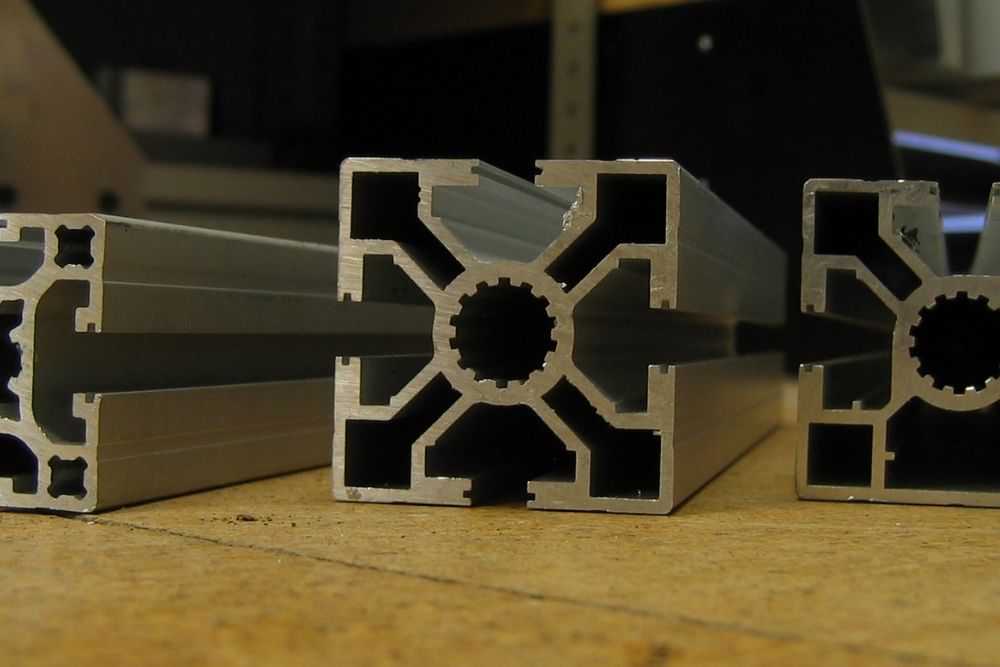
CME’s aluminium contract gains momentum amid shifting market dynamics
Activity on the CME’s aluminium contract has intensified in recent months, with volumes surging and the number of participants expanding. While still smaller compared to the LME, the CME’s growing presence reflects the shifting dynamics of the aluminium market. The global market is…
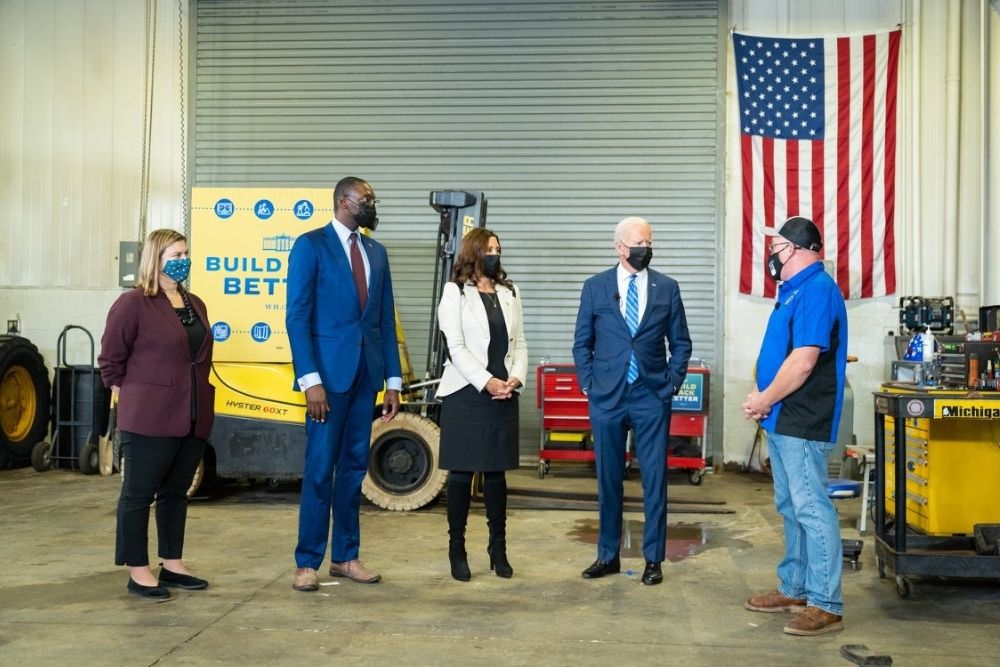
Biden faces pressure from Senate Democrats to raise tariffs on Chinese EVs
Three Senate Democrats representing auto manufacturing states have called on the Biden administration to increase import tariffs on Chinese electric vehicles (EVs) to address national security concerns and protect the U.S. auto sector. Senators Gary Peters and Debbie Stabenow of Michigan, along…
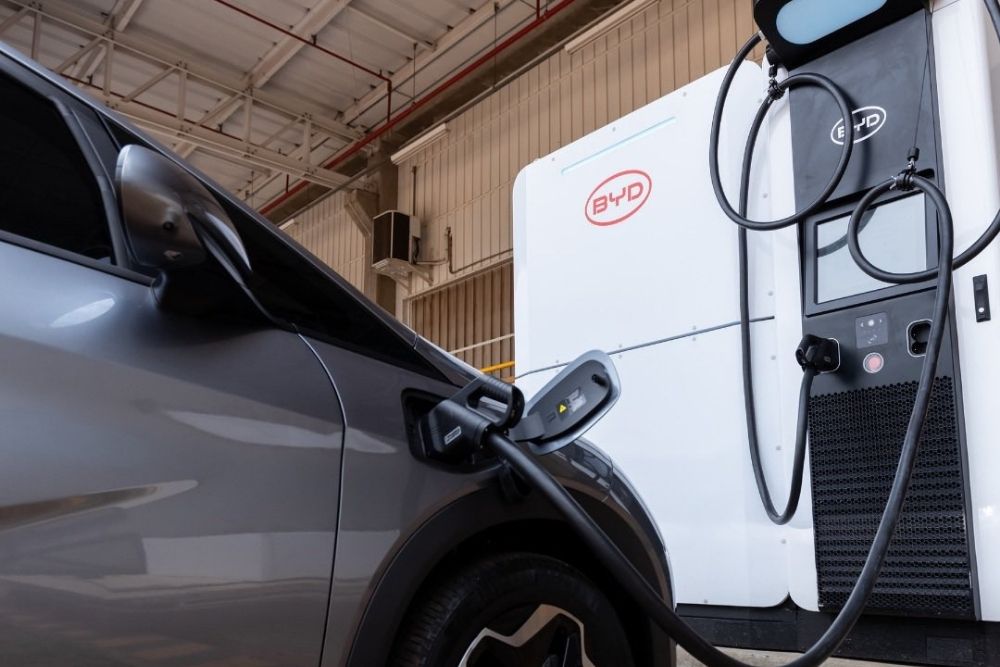
Chinese EV giants pivot abroad as domestic market saturates
The surge in overseas investment by Chinese electric vehicle and battery companies marks a strategic turning point in the global auto supply chain, underscoring both the opportunities and vulnerabilities that come with international expansion. Chinese firms in the EV ecosystem invested about $16 billion abroad in 2024, overtaking the $15 billion they spent domestically, the first time outbound spending has surpassed home market investment.
For years, roughly 80% of EV-related capital had stayed in China, helping build the world’s largest battery and EV manufacturing hub. That trend has now flipped as overcapacity, relentless price wars, and shrinking margins at home push companies to look overseas.