
Toyota set to restart Japan operations after system malfunction halted production
- August 29, 2023
- Posted by: Quatro Strategies
- Categories: Asia Pacific, EVs & Battery Technology

Toyota Motor Corporation, the global leader in automobile sales, is preparing to resume operations at its Japanese assembly plants after experiencing a production system malfunction that led to a temporary halt in domestic production. The company announced that it plans to restart operations on 25 production lines across twelve plants. The remaining two plants are expected to be brought back online later in the day.
The production system malfunction had a substantial impact, affecting approximately one-third of Toyota’s global production capacity. These affected plants are responsible for producing around 13,500 vehicles daily, based on calculations. This incident disrupted Toyota’s ability to place orders for necessary components, ultimately leading to the temporary suspension of production.
Toyota’s renowned just-in-time inventory management approach, which aims to minimize inventory costs by receiving components only as needed, makes the company more vulnerable to supply chain disruptions. While it is an efficient method to reduce costs, it also heightens the challenges when disruptions occur.
The root cause of the malfunction is still under investigation. Toyota clarified that it was not the result of a cyberattack, but the exact nature of the technical glitch remains to be determined. Toyota’s engineering teams are working to analyze and rectify the issue.
This production halt is particularly notable as Toyota had been increasing its domestic production to make up for output cuts earlier in the year due to semiconductor shortages. During the first half of the year, the company experienced a 29% increase in production, marking the first such rise in two years.
Toyota’s reputation for reliability and operational efficiency is being tested with this incident. How the company responds to and manages this disruption will determine its ability to mitigate the impact on production and maintain its supply chain resilience. As the automotive industry continues to navigate challenges like semiconductor shortages and disruptions caused by various factors, Toyota’s approach to addressing these issues will be closely scrutinized.
Interested in learning more?
Sign up for Top Insights Today

Top Insights Today delivers the latest insights straight to your inbox.
You will get daily industry insights on
Oil & Gas, Rare Earths & Commodities, Mining & Metals, EVs & Battery Technology, ESG & Renewable Energy, AI & Semiconductors, Aerospace & Defense, Sanctions & Regulation, Business & Politics.
Read more insights
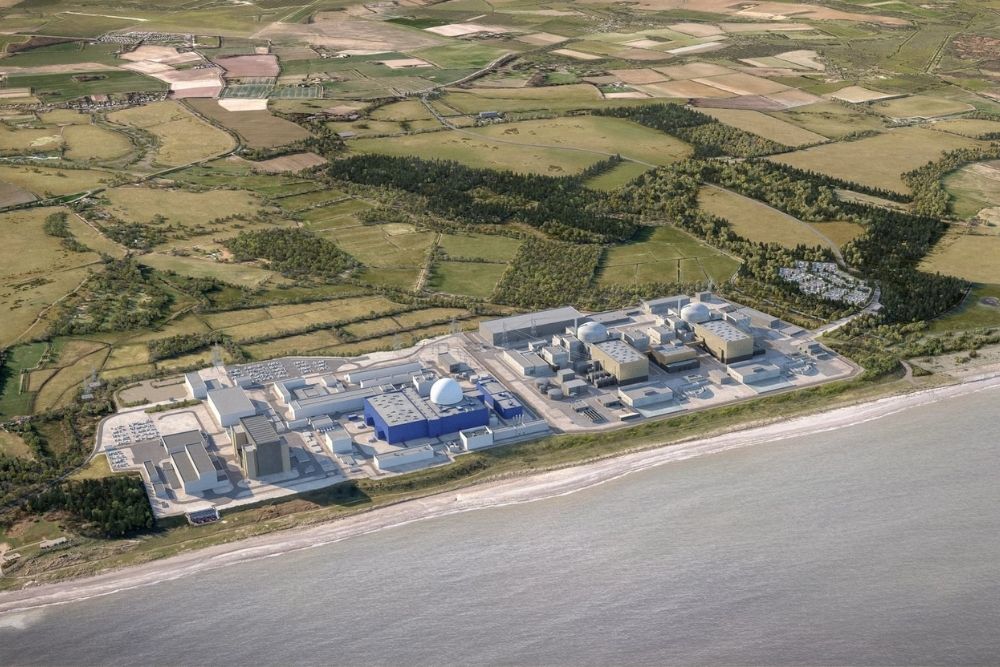
EDF commits $1.5 billion more to Britain’s Sizewell C nuclear plant
France’s state-controlled energy giant EDF has announced it will inject an additional £1.1 billion ($1.5 billion) into the UK’s ambitious Sizewell C nuclear project, deepening its role in one of Britain’s most consequential infrastructure undertakings. The move was unveiled during French President Emmanuel Macron’s state visit to the UK — the first by a European head of state since Brexit — underscoring efforts to rejuvenate Franco-British cooperation in strategic sectors.
The Sizewell C project, located on England’s Suffolk coast, is at the heart of London’s strategy to modernize its power fleet. With many of the UK’s ageing nuclear reactors nearing the end of their operational lives, new builds like Sizewell C are essential to replace retiring capacity, bolster long-term energy security, and anchor Britain’s legally binding commitment to achieve net zero emissions by 2050.
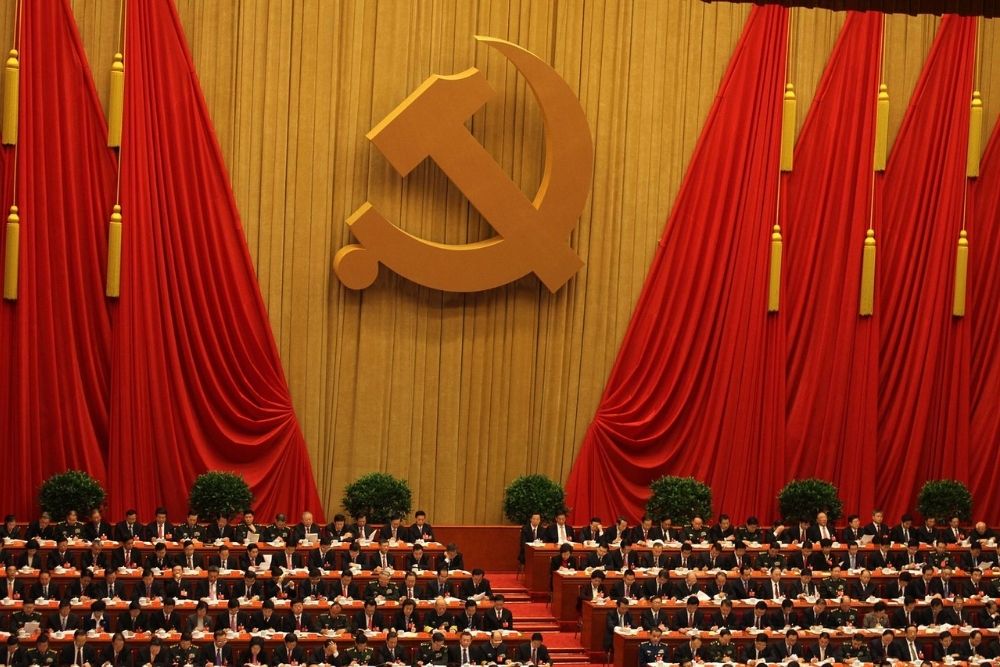
Beijing’s political decisions hurting China’s economic potential
The situation in China has sparked what many experts call the “China conundrum” — a perplexing scenario where a nation aspiring to be the world’s dominant economic power is seemingly taking actions that undermine that potential. China’s recent economic moves appear counterintuitive for a country seeking continual economic growth.
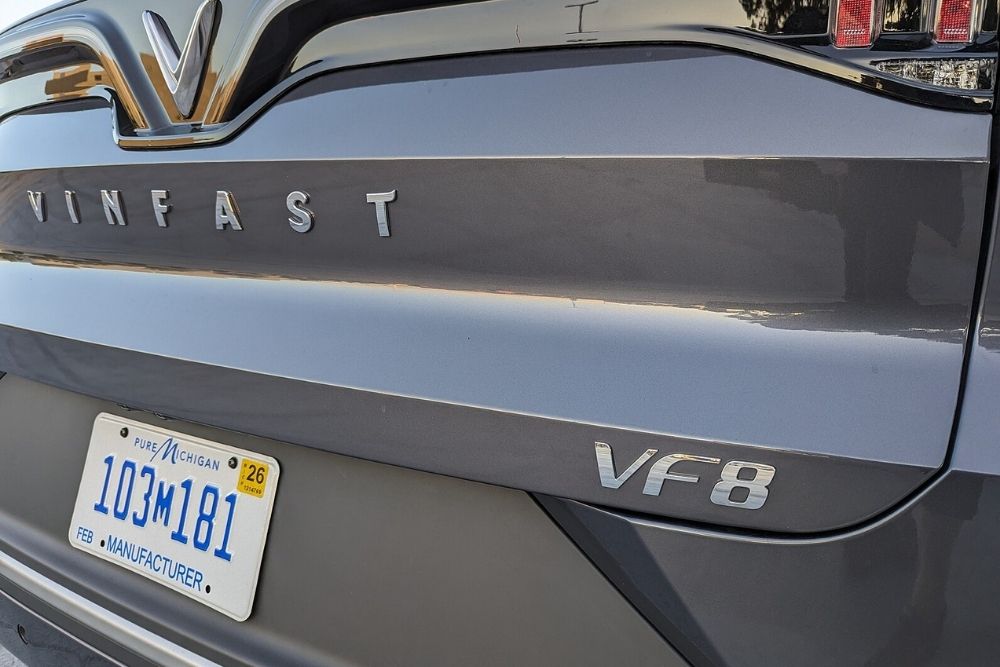
Vietnamese EV maker Vinfast to make first shipments to Europe this year
VinFast, a Vietnamese electric vehicle (EV) manufacturer, has ambitious plans to expand into the European market and aims to ship its first EVs to Europe later this year after receiving regulatory approval. The company is looking to deliver about 3,000 of its VF8 crossovers to France, Germany, and the Netherlands in the fourth quarter of this year.